
HIIT Workout Plan for Beginners: Burn Fat in Minutes
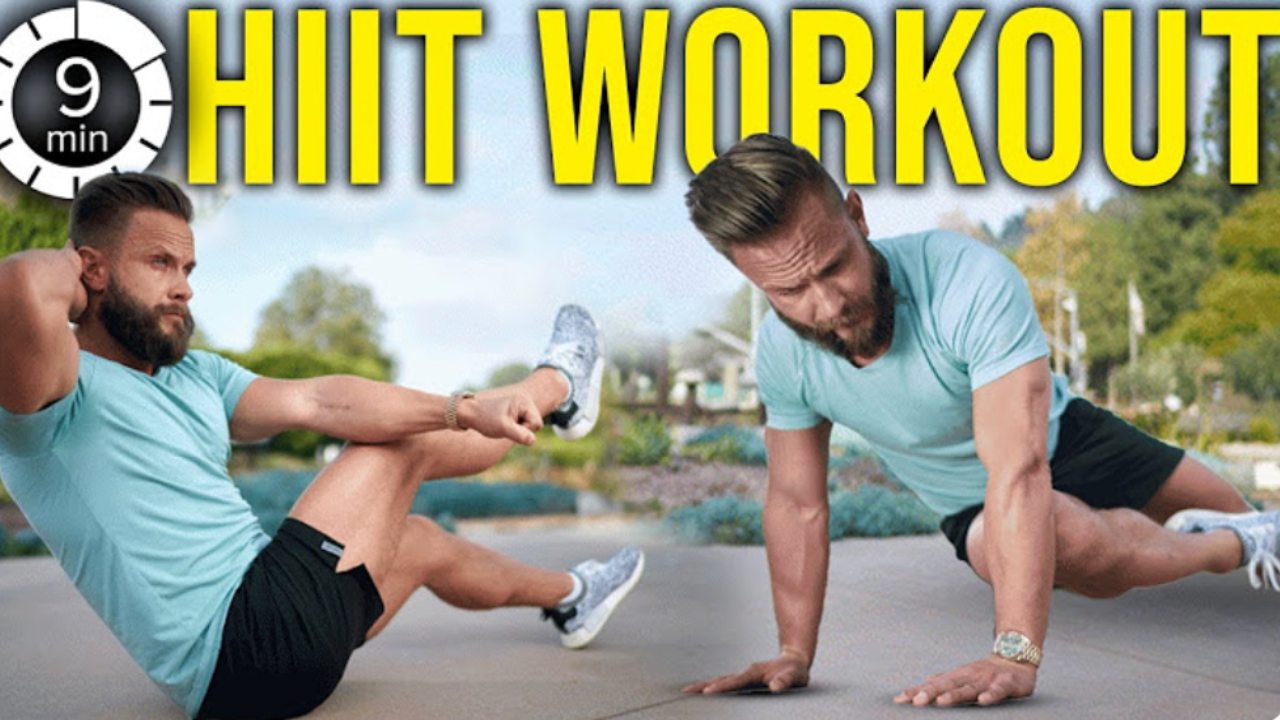
You do not need an hour in the gym to burn fat. You need the right nine minutes. That is the whole idea behind HIIT, and it is one of the fastest ways I know to get real results when you are short on time. Below is the exact HIIT workout for beginners I use to get people started, and you can run it at home with no equipment.
If you want it programmed for you day by day, it is all inside the Magnus Method app.
Start where you are. You do not have to be fit to begin. You get fit by beginning.
What is HIIT, and why does it burn so much fat?
HIIT stands for high intensity interval training. You go hard for a short burst, rest for a short burst, and repeat. That is it. The work periods push your heart rate up, the rest periods let it drop a little, and cycling between the two is what makes the workout so effective in so little time.
The fat-burning part comes from the effort. Short, intense bursts ask a lot of your body, so it keeps burning energy after you stop, not just during the workout. That is why nine focused minutes can do more than a slow half hour on a treadmill.
Is HIIT safe for complete beginners?
Yes, as long as you scale it to your level. "High intensity" means high for you, not high for a pro athlete. Your all-out is different from mine, and that is fine. You control the pace, the range, and the impact.
If you are brand new to training, keep the moves low-impact at first. March in place instead of jumping. Step back into a lunge instead of hopping. Build the engine before you add the pounding. If gym anxiety is part of your picture, my beginner gym guide will help you feel at home whether you train at home or head to a gym.
The 9-minute HIIT workout for beginners
Here is the routine. Five moves, done as intervals. Work for 30 seconds, rest for 30 seconds, then move to the next one. Run through the whole circuit three times and you are done in about nine minutes.
1. Marching high knees
Drive one knee up, then the other, staying tall through the chest. Beginners keep the feet moving on the floor. As you get fitter, turn it into a light jog on the spot. This wakes up the whole body and gets your heart rate climbing.
2. Bodyweight squats
Feet about shoulder-width apart, sit back like you are lowering into a chair, then stand tall and squeeze the glutes at the top. Keep the chest up and the weight in your heels. Slow and controlled beats fast and sloppy every time.
3. Push-ups (on knees if needed)
Hands under the shoulders, body in a straight line, lower with control and press back up. Drop to your knees if a full push-up is too much. This trains your chest, shoulders, and core all at once.
4. Reverse lunges
Step one foot back, drop the back knee toward the floor, then drive through the front heel to stand. Alternate legs. Stepping back instead of forward is easier on the knees, which is why I start beginners here.
5. Plank hold
Forearms down, body in a straight line from head to heels, and hold. Squeeze your abs and glutes so your hips do not sag. If 30 seconds is too long, hold for 15 and rest.
How to progress your HIIT over the first month
The routine should feel hard by the last round. When it stops feeling hard, that is your signal to progress, and there are simple ways to do it without changing the plan:
Add a fourth round.
Shorten the rest to 20 seconds.
Turn the low-impact versions into their jumping versions (jump squats, jumping lunges, high-knee sprints).
Do this workout three or four times a week and give your body a rest day in between when you are starting out. If you want a full week of training laid out for you, my beginner workout routine that actually works fits perfectly alongside this.
Common beginner mistakes to avoid
Going too hard on day one is the big one. People blast the first workout, get brutally sore, and quit by day three. Start a notch below your max and build. Consistency beats intensity every single time.
The other one is skipping your form to chase speed. HIIT rewards clean reps, not rushed ones. Move well first, then move fast. A few smart habits go a long way here, and these injury prevention tips will keep you training instead of nursing a tweak.
Frequently asked questions
How often should a beginner do HIIT? Three to four times a week is plenty when you are starting out. Leave a rest day between sessions so your body can recover and get stronger.
Can I lose weight with just a 9-minute HIIT workout? It helps a lot, especially paired with decent nutrition. Short daily effort adds up fast, and HIIT keeps burning energy after you finish. Food still does most of the heavy lifting for fat loss.
Do I need any equipment for beginner HIIT? No. Every move in this routine uses only your bodyweight and a bit of floor space. You can do the whole thing in your living room.
What if I can't finish all three rounds? Do what you can and stop with good form. Finish two rounds this week, three next week. Progress is the goal, not perfection.
Is HIIT better than steady cardio for beginners? It is more efficient with your time. HIIT gets a similar or better result in a fraction of the minutes, which matters when life is busy. The best cardio is the one you will actually keep doing.
Ready to make it a habit?
Nine minutes is short enough that you have no excuse and long enough that it works. Do this a few times a week and you will feel the difference within a couple of weeks. When you are ready for a full plan that tells you exactly what to do each day, that is what the Magnus Method app is for. Start your 7-day free trial, or jump into one of our transformation challenges and train alongside people chasing the same goal