
How to Build Muscle: A Beginner's Guide
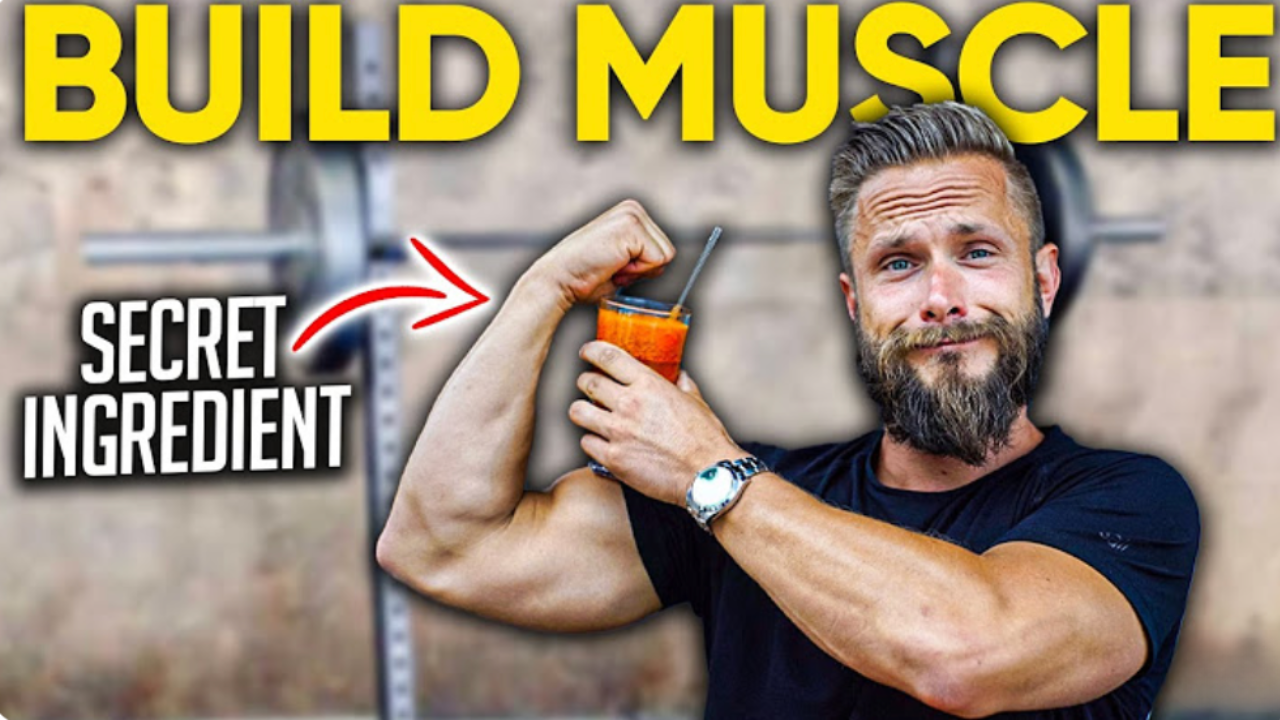
Building muscle is simpler than the internet makes it look. You do not need fancy supplements, two-hour sessions, or a perfect program. You need to train hard on the right movements, eat enough protein, and give your body time to recover.
Do those three things consistently and you will build muscle. This is the beginner's guide I wish everyone got on day one, and it is the same foundation I program for everyday clients inside the Magnus Method app.
Muscle is not built in a day. It is built on the days you show up when you do not feel like it.
How do beginners build muscle?
Muscle grows when you challenge it, feed it, and rest it. You train a muscle hard enough to create a little stress, you give it protein to repair, and you let it recover so it comes back stronger. Repeat that over weeks and months and you get bigger and stronger. That is the whole game.
The good news for beginners is that you grow fast at the start. Your body is highly responsive in the first year of proper training, so the effort you put in now pays off more than it ever will again. Do not waste that window overthinking it.
Step 1: Train with progressive overload
Progressive overload is the one principle that matters most. It means gradually asking your muscles to do more over time, so they have a reason to keep growing. If you lift the same weight for the same reps forever, your body has no reason to change.
For a beginner, overload is simple. Add a rep, add a little weight, or improve your form each week. Focus on compound movements that train several muscles at once, because they give you the most result for your time:
Squats for legs and glutes
Push-ups or presses for chest and shoulders
Rows or pull-ups for the back
Hinges or deadlifts for the whole posterior chain
Train each major muscle group two or three times a week, keep most sets in the 6 to 12 rep range, and stop each set a rep or two before total failure. If you have ever wondered whether to chase heavier weight or more reps, my breakdown of reps vs weight settles it for beginners.
Step 2: Eat enough protein (and enough food)
You cannot build muscle out of nothing. To grow, you need to eat slightly more than you burn and get enough protein to rebuild the muscle you train.
Protein is the priority. Aim for roughly 0.7 to 1 gram per pound of bodyweight per day, spread across your meals. Lean meats, eggs, fish, dairy, beans, and protein shakes all count. Beyond protein, eat enough overall so your body has the energy to grow, and build most meals around whole foods. I go deep on this in my guide to building muscle with the right diet, which covers exactly what to put on your plate.
You do not need to eat perfectly. You need to eat enough protein, most days, on purpose.
Step 3: Recover so your muscle can grow
Here is what most beginners get wrong: muscle is built during recovery, not during the workout. The session is the stimulus. The growth happens when you rest and sleep.
Sleep seven to nine hours. Take rest days so the muscles you trained can repair. And do not train the same sore muscle hard two days in a row. If you feel weaker and more run-down week after week, that is a sign you are under-recovering, not under-training. Back off, sleep more, and let your body catch up.
How long does it take to build muscle?
You will feel stronger within a few weeks and start seeing visible change in about eight to twelve weeks of consistent training and eating. Real, noticeable muscle takes months, not days, and that is normal. The people who get results are not the ones with the perfect plan. They are the ones who stuck with a good plan long enough for it to work.
If you want that consistency built in, a structured block is the fastest way to stay on track. Our Fall strength and muscle challenge is built to add real strength in nine weeks, and it takes all the guesswork out.
A simple beginner muscle-building week
Here is a clean starting split you can run at home or in a gym:
Day 1: Full body (squat, press, row)
Day 2: Rest or light walk
Day 3: Full body (hinge, push-up, pull)
Day 4: Rest
Day 5: Full body (lunge, press, row)
Weekend: Rest and active recovery
Three full-body sessions a week hits every muscle often enough to grow, with plenty of recovery. When you want more structure and progression handled for you, that is what a real program does. For a deeper starter plan, my skinny to strong beginner's guide walks through the first phase in detail.
Frequently asked questions
How do beginners start building muscle? Train each major muscle two to three times a week with compound movements, eat enough protein, and recover well. Add a little weight or a rep over time and stay consistent for a few months.
How much protein do I need to build muscle? Roughly 0.7 to 1 gram per pound of bodyweight per day, spread across your meals. This gives your muscles the raw material to repair and grow.
Can I build muscle at home without a gym? Yes. Bodyweight training with progressive overload builds real muscle, especially for beginners. Add resistance bands or dumbbells as you get stronger to keep progressing.
How long until I see muscle growth? Most beginners feel stronger in a few weeks and see visible change in eight to twelve weeks of consistent training and eating. Real size takes several months.
Do I need supplements to build muscle? No. Whole food protein and enough total food do the job. A protein powder is a convenient tool, not a requirement, and most other supplements are not worth the money for a beginner.
Start building today
Building muscle comes down to three things done consistently: train with progressive overload, eat enough protein, and recover. Get those right and your body will do the rest. When you want the whole thing programmed for you so you never have to guess what to do next, the Magnus Method app lays it all out. Start your 7-day free trial, or if you want a plan tailored to you, look into one-on-one coaching.