
Intermittent Fasting for Beginners: A Simple Guide
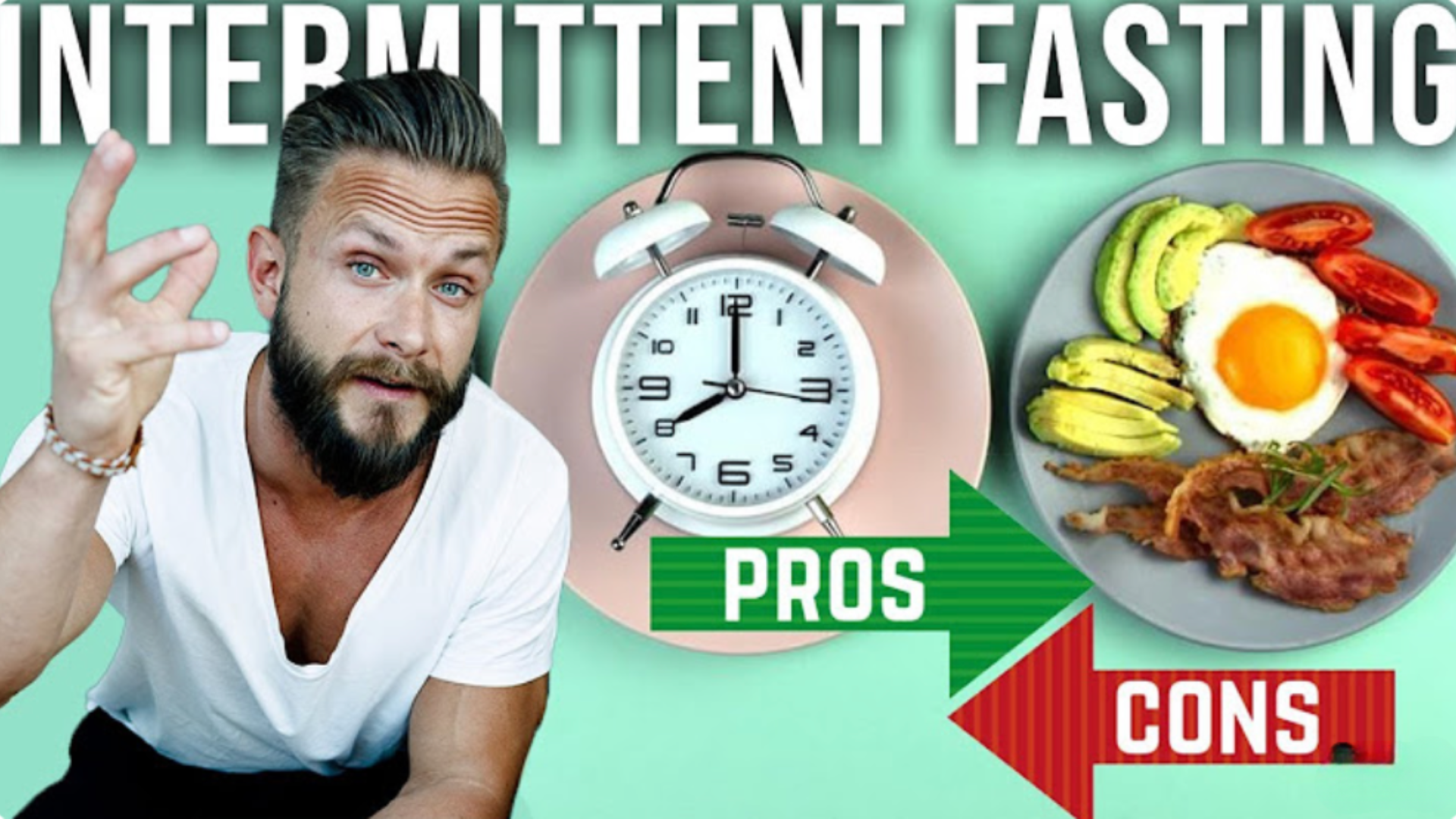
Intermittent fasting is not a diet. It is a schedule for when you eat, not a rulebook for what you eat. For a beginner, that is good news, because it means you can start without buying anything, counting anything, or giving up your favorite foods. You pick an eating window, you keep your food quality high inside it, and you let the clock do some of the work. That is the version I teach everyday clients inside the Magnus Method app, and it is the version that actually sticks.
Fasting works for a lot of people. It also gets oversold. So let me give you the honest, beginner-friendly version, the way I would explain it to a client on day one.
What is intermittent fasting, in plain terms?
Intermittent fasting means cycling between periods of eating and periods of not eating. The most common approach is a daily eating window: you eat during a set number of hours and fast the rest. A popular starting point is 16/8, where you fast for 16 hours and eat during an 8-hour window, for example noon to 8pm.
That is really all it is. You are not starving yourself. You are shortening the hours you eat so you naturally eat a little less and give your body a longer break from food. Most of the fasting hours are spent asleep, which is why it feels easier than it sounds.
Does intermittent fasting actually help you lose weight?
Yes, but not for a magic reason. Fasting helps most people lose weight because it makes them eat fewer calories without tracking. When your eating window is shorter, the late-night snacking and the mindless grazing tend to disappear, and that alone can put you in a calorie deficit.
Fasting does not override the basics. If you eat more calories than you burn inside your window, you will not lose fat, no matter how long you fasted. The clock is a tool that makes the basics easier, not a loophole around them. If tracking numbers is not your thing, that is exactly why fasting can help, and it pairs well with the approach in my guide on how to lose body fat without counting calories.
How to start intermittent fasting as a beginner
You do not need to jump straight to 16 hours. Ease in so it feels sustainable.
Step 1: Push breakfast back, one hour at a time
If you eat at 7am now, start eating at 8am, then 9am, and so on across a couple of weeks. Let your body adjust instead of forcing a hard 16-hour fast on day one. Most people land comfortably on a noon start.
Step 2: Pick a window you can repeat
The best schedule is the one that fits your life. Common beginner windows:
16/8: eat within 8 hours (for example, noon to 8pm). The most popular and the easiest to keep.
14/10: eat within 10 hours. A gentler starting point if 16 feels like too much.
12/12: eat within 12 hours. Basically just cutting off late-night eating. A fine first step.
Start with the easiest one you will actually stick to. Consistency beats intensity every time.
Step 3: Drink water, and keep it simple during the fast
During the fasting hours, water is your friend. Black coffee and plain tea are fine and can blunt hunger. What breaks a fast is calories, so skip the cream, sugar, and snacks until your window opens.
What to eat during your eating window
This is where beginners go wrong. They nail the fasting hours, then eat whatever they want and wonder why nothing changes. A shorter window is not permission to eat junk.
Build your meals around protein first. Protein keeps you full, protects your muscle while you lose fat, and makes the whole thing easier to sustain. Then add plenty of vegetables, some smart carbs around training, and healthy fats. If you want to understand why protein leads the plate, my breakdown of macros vs. calories explains what to prioritize and why.
When you break your fast, do it with a real meal, not a pastry. Eggs, chicken, fish, Greek yogurt, beans, and lean meats are all strong choices. A good first meal sets the tone for the rest of the window.
Mistakes to avoid when you start
A few things trip up almost every beginner:
Overeating in the window. Fasting is not a green light to double your portions. Eat until satisfied, not stuffed.
Going too aggressive too fast. A 20-hour fast on day one usually ends in a binge. Build up.
Ignoring protein. Skimp on protein and you will lose muscle along with fat and feel weaker. Keep it high.
Fasting through hard training. If you train heavy, put a meal near your workout. You do not need to fast at the exact hours that wreck your session.
Expecting it to fix a bad diet. Timing helps. It does not replace food quality.
If you want the deeper science on what fasting does and does not do for your body, I laid it out honestly in Intermittent Fasting Explained Without the Hype.
Who should be careful with fasting
Intermittent fasting is not for everyone. If you are pregnant or breastfeeding, have a history of disordered eating, are underweight, or manage a condition like diabetes, talk to your doctor before you try it. Fasting is a tool, and like any tool it is not the right one for every person or every season of life.
Is intermittent fasting worth it for beginners?
For a lot of people, yes. It is simple, it is free, and it removes decisions instead of adding them. If you struggle with late-night snacking or the idea of tracking every meal, fasting gives you a structure that quietly does some of the work. Pair it with high-protein meals and consistent training and it becomes a genuinely useful habit, not a fad.
Just remember what it is: a schedule that makes the basics easier, not a shortcut around them.
Frequently asked questions
How many hours should a beginner fast? Start with 12 to 14 hours and build toward 16 as it gets comfortable. There is no prize for rushing to a longer fast.
Can I drink coffee while fasting? Yes. Black coffee and plain tea are fine and can help with hunger. Skip the cream and sugar, since calories break the fast.
Will I lose muscle if I fast? Not if you keep your protein high and keep training. Muscle loss comes from too little protein and too little resistance work, not from the clock itself.
What breaks a fast? Calories. Water, black coffee, and plain tea are fine. Anything with meaningful calories ends the fast.
How long until I see results? Most beginners notice less bloating and steadier energy within a week or two, and see real changes on the scale over four to eight weeks when the eating window stays clean.
Ready to make it stick?
Intermittent fasting works best inside a plan, not on its own. If you want training and nutrition that fit around your schedule, take a look at the Magnus Method training programs or start your 7-day free trial and let me guide you through it step by step