What Intermittent Fasting Really Does and Does Not Do
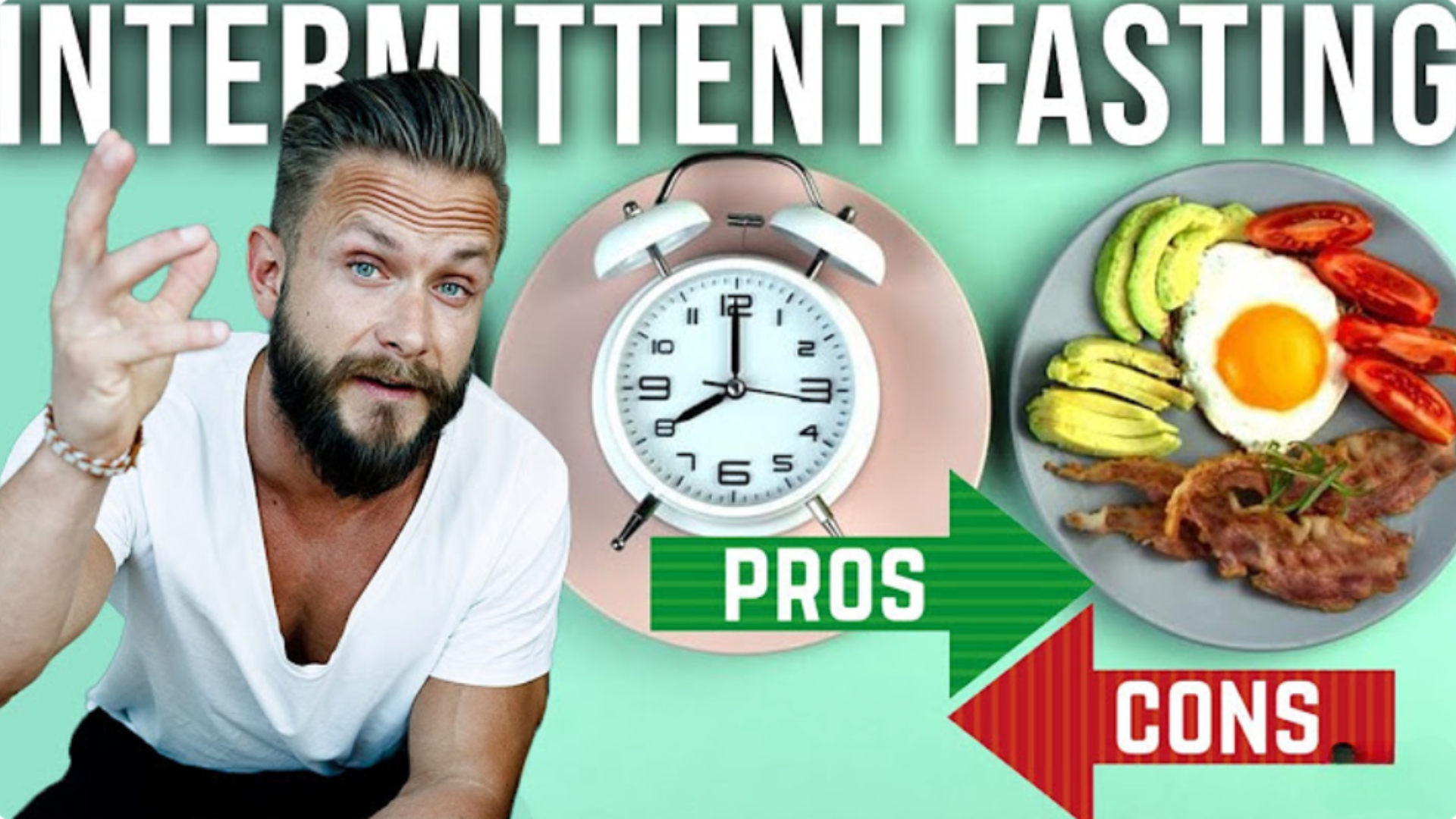
Intermittent fasting is one of the most talked-about nutrition strategies online. Some people swear it is magic. Others say it is terrible. The truth sits somewhere in the middle.
The online fitness world is loud. There is good information, okay information, and a lot of bad advice. Many influencers make money selling extreme diets without solid proof. That makes it hard to know what to trust.
This article breaks down the truth about intermittent fasting. No hype. No fear. Just what actually matters and how to decide if it fits your life.
TL;DR
Intermittent fasting is a tool, not a miracle
It does not detoxify your body
It does not boost testosterone
Fat loss still comes from a calorie deficit
There is no single best fasting schedule
It can help some people stay consistent
The best diet is the one you can stick to
What Is Intermittent Fasting?
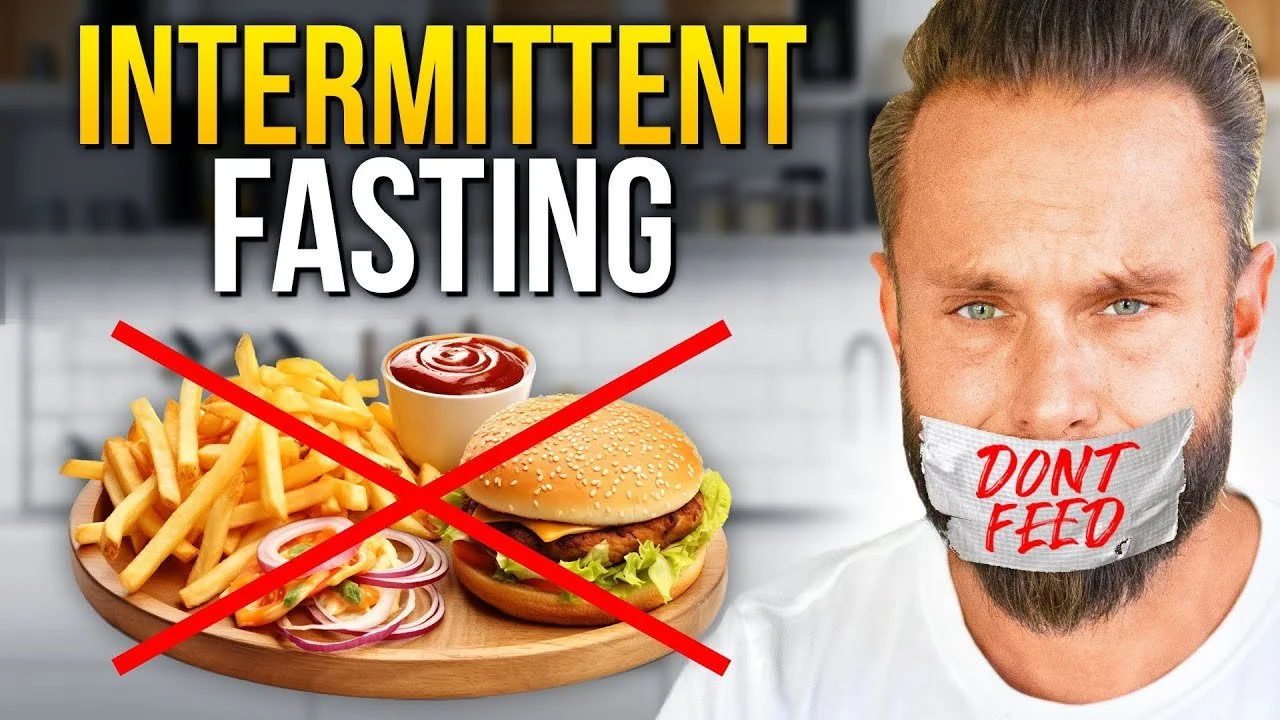
Intermittent fasting is not about what foods you eat. It is about when you eat them.
Most fasting plans give you a window to eat and a window to fast. Common examples include fasting for 16 hours and eating within 8 hours, or eating very little on one or two days per week.
There are many versions. None of them is magic.
Myth 1: Intermittent Fasting Detoxes Your Body
This is one of the biggest myths.
Your liver and kidneys remove toxins from your body every day. They do this whether you are fasting or not. If fasting were required to detox, humans would be in trouble.
Some research shows fasting can lower certain inflammation markers. That is not the same as removing toxins. It has more to do with how the body releases inflammatory cells during fasting.
Bottom line. Your body already detoxes itself.
Myth 2: Intermittent Fasting Boosts Testosterone
You may have seen claims saying fasting can boost testosterone by huge amounts. These claims are not supported by science.
Studies show that fasting, alone or combined with resistance training, can actually lower testosterone levels. It is important to know if building muscle is a goal.
Fasting does not give you a hormonal shortcut.
Myth 3: Intermittent Fasting Reduces Appetite
In theory, eating all your calories in one window should keep you full. In real life, it does not always work that way.
Hunger is part physical and part mental. Long gaps without food can increase hunger, not reduce it. Dehydration can also make you feel hungry.
Research shows intermittent fasting can increase appetite for some people. Long-term calorie restriction can also lead to binge eating later. That cancels out progress fast.
Myth 4: There Is a Perfect Fasting Formula
Search online, and you will find many fasting plans.
Some suggest 16 hours of fasting and 8 hours of eating. Others suggest eating very little on certain days. Some suggest full 24-hour fasts.
None of these has been proven better than the others. What works depends on the person. Lifestyle, stress, training, and personality all matter.
There is no universal best method.
Myth 5: Intermittent Fasting Guarantees Fat Loss
This is the most important point.
Fat loss only happens when you stay in a calorie deficit long enough. That is it.
Fasting can help some people eat fewer calories. But it does not guarantee a deficit. You can fast all day and still overeat during your eating window.
You could easily eat 2,500 calories in eight hours and stop fat loss without realizing it. Energy in versus energy out still matters.
Exercise also helps maintain a calorie deficit. Without movement, fasting can feel harder and more miserable.
So What Does Intermittent Fasting Actually Help With?
Even though many claims are false, intermittent fasting is not useless. It has real benefits when used the right way.
Benefit 1: It Can Make Calorie Control Easier
Having a set eating window can help limit mindless eating. You may be less likely to snack all day.
One smart way to do this is to fast mostly overnight. For example, stop eating several hours before bed, sleep, then eat breakfast a couple of hours after waking. That gives you a long fast without much discomfort.
Benefit 2: It May Help the Body Handle Stress
During fasting, your cells experience mild stress. Research suggests this may help the body adapt and handle stress better over time.
This does not override your stress response. It is a small effect. You still need to eat well and fast safely.
Benefit 3: It Is Flexible
There are many fasting options. That means many people can find one that fits their schedule.
Flexibility matters. If a plan fits your life, you are more likely to stick to it.
Magnus’ Real Take on Intermittent Fasting
All diets are strategies. None is magic.
Any diet can work if applied correctly and long enough. The key is sustainability. The best diet is the one you can stick to long term.
Personally, I do not like diets that remove foods you enjoy. You can build a great body while eating good food.
Intermittent fasting can work if you like structure and time limits. It does not limit food choices, only timing.
That said, my preferred approach is different.
A Simple Alternative That Works
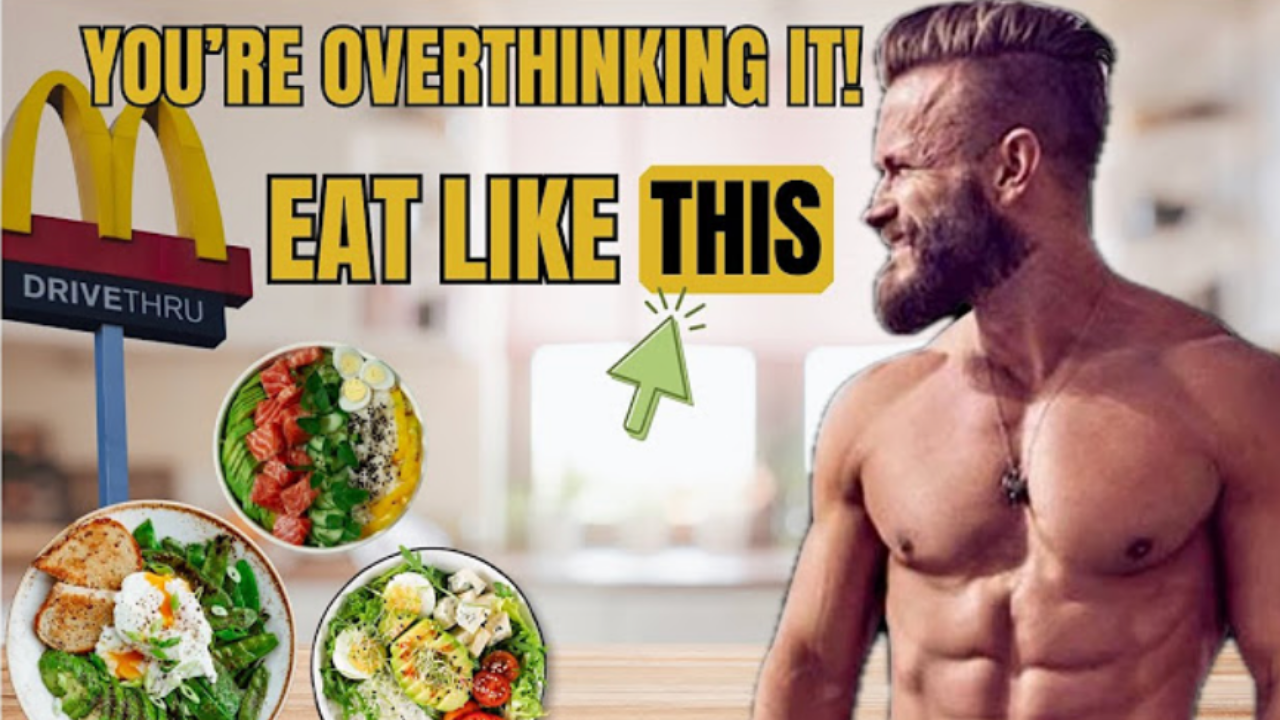
Instead of fasting, I prefer eating four to five smaller, nutrient-dense meals per day.
I think in cycles of about 20 meals. That usually equals four or five days. Out of those 20 meals, I aim for 17 solid meals. Three meals are flexible.
These are not cheat meals. They are treat meals. Good food is part of life. Enjoy it.
You can have popcorn at the movies, a drink, or a nice dinner out. As long as calories and protein are on track, progress stays.
This approach has worked well for me and for many clients.
Final Thoughts on Intermittent Fasting
Intermittent fasting is not a miracle solution. Most big claims around it are not backed by science.
That does not mean it is useless. It is a tool. For some people, it helps control calories and stay consistent. For others, it increases stress and hunger.
The key is knowing yourself.
If fasting helps you eat better and stay consistent, it can work. If it turns you into a cranky, hungry mess, skip it.
Eat real food. Hit your protein. Lift weights. Stay consistent. Results come from habits, not hype.
Want Structure Without the Guesswork?
If you want help with training, nutrition, and building habits that last, download the Magnus Method App. You will get workouts, nutrition guidance, and tools to track progress.
More from the blog