Simple, Cheap, and Effective Meal Prep for Beginners
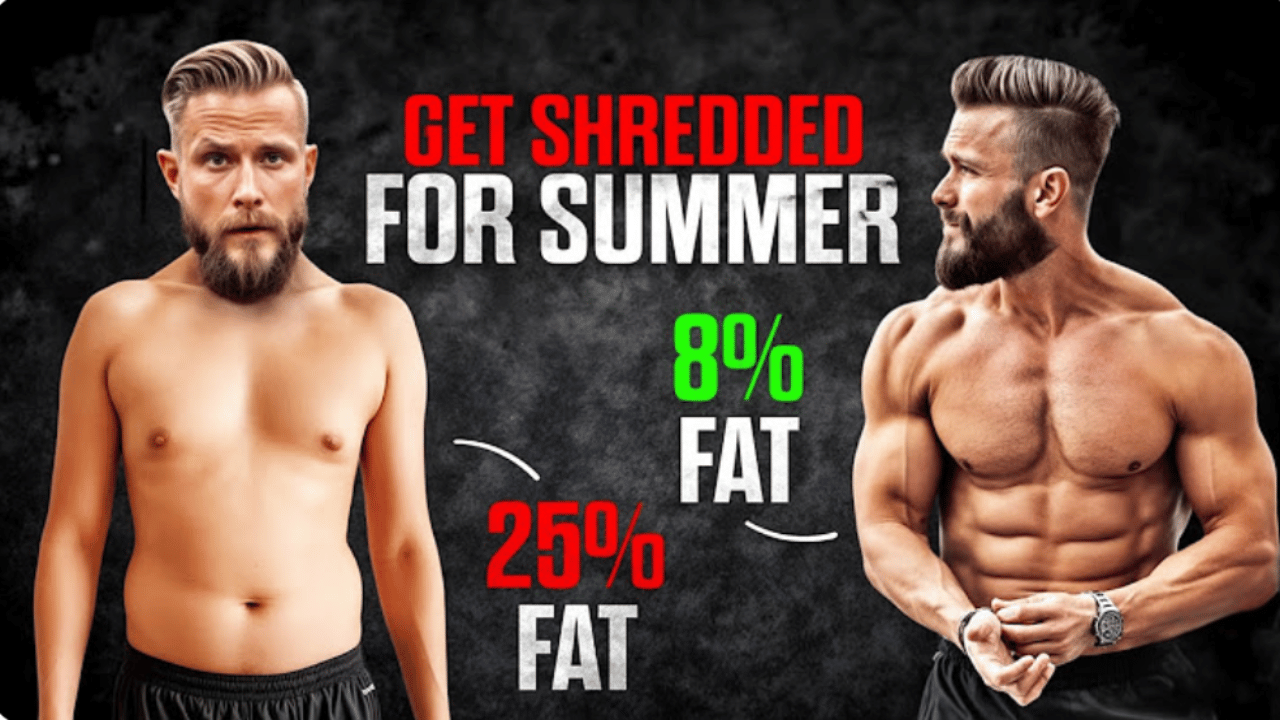
If you want to lose fat, build muscle, and feel better every day, meal prep matters. Training helps, but real results start in the kitchen. You can work out hard and still struggle if your nutrition is not dialed in.
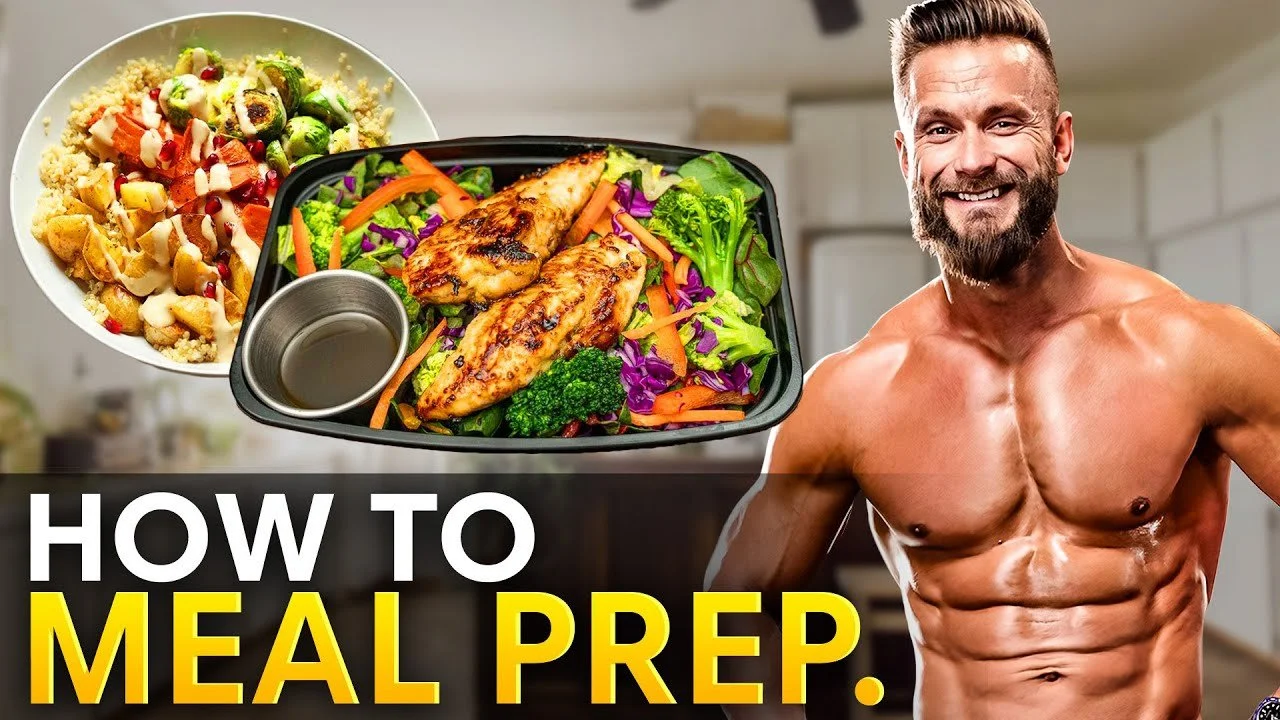
Meal prep is not about eating bland food or weighing every gram. It is about planning smart meals that fuel your body, support recovery, and fit your life. This guide breaks it down in a simple way that actually works.
TL;DR
Meal prep helps control calories and food quality
Focus on protein first, then carbs and fats
Use simple portion sizes instead of tracking everything
Choose slow carbs and healthy fats
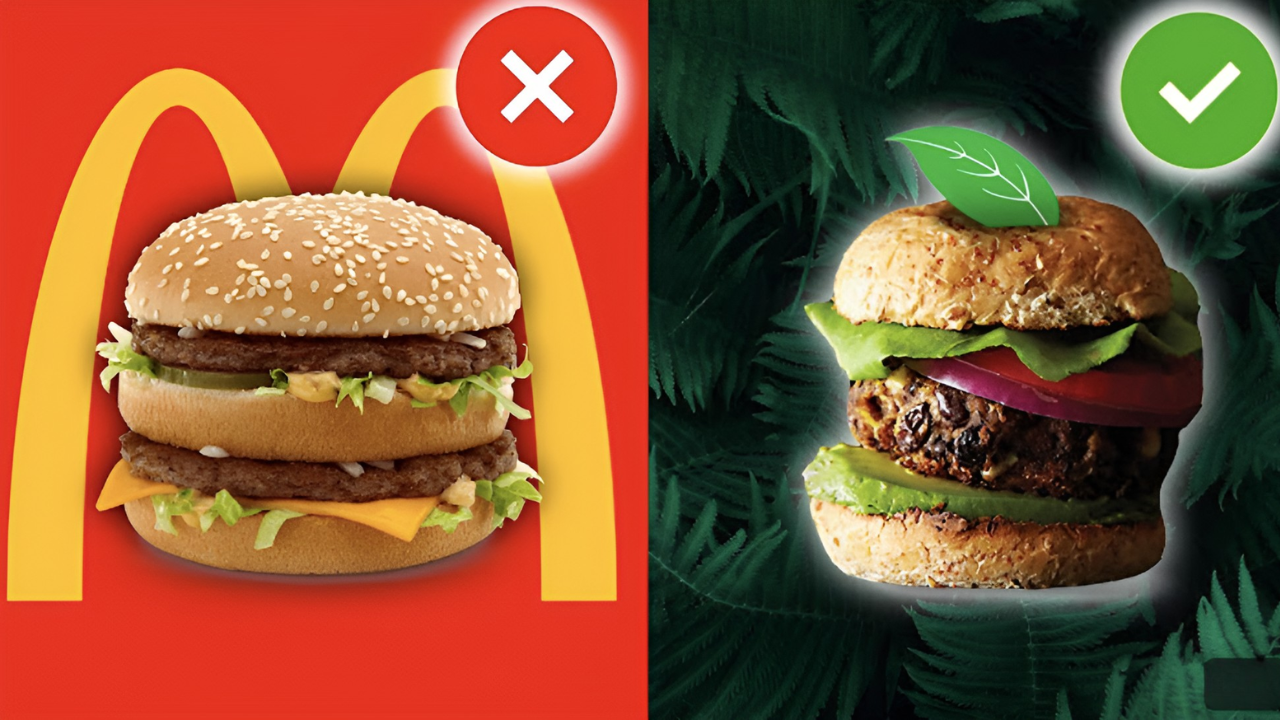
Eat mostly clean, but enjoy food sometimes
Stay patient, consistent, and adjust as needed
Why Meal Prep Matters
Fat loss always comes down to calories. If you want to lose body fat, you must eat fewer calories than you burn. That part is non-negotiable. But food quality matters just as much.
Two people can eat the same number of calories and get very different results. One eats whole foods with protein, fiber, and nutrients. The other eats processed sugar. One stays strong and healthy. The other does not.
Meal prep helps you control both calories and food quality. It keeps you consistent and removes stress from daily food choices.
Step One: Understand Calories and Macros
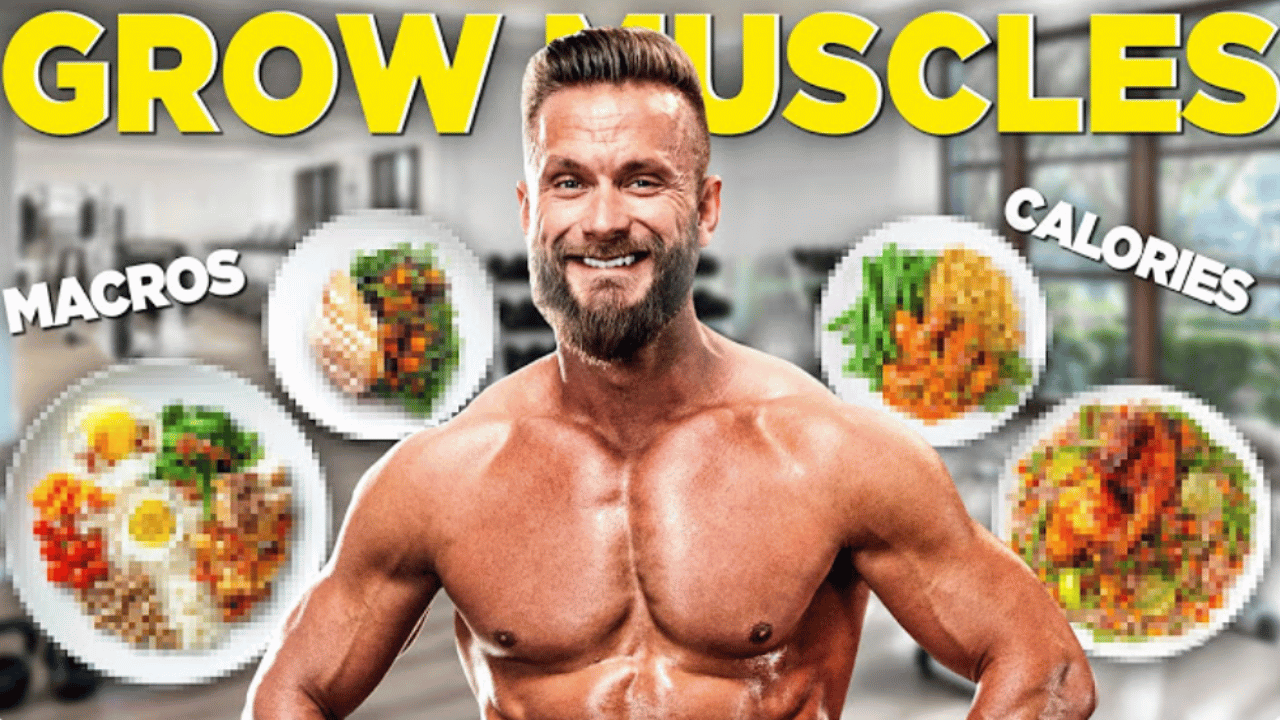
Macros are protein, carbs, and fat. All three matter.
A simple way to estimate calories is to take your goal body weight and multiply it by 12. That gives you a starting point for daily calories. This is not perfect, but it works as a guide.
Protein is the most important macronutrient. Aim for about one gram of protein per pound of body weight per day. Protein supports muscle, recovery, skin, hair, and overall health. It is the one macro your body cannot replace.
Carbs and fats are fuel. Both support energy, recovery, and your immune system. There is no single perfect split. Some people feel better with more carbs. Others like more fat. The key is balance and consistency.
Best Protein Sources for Meal Prep
Protein should be the base of every meal. These are simple, effective options.
Chicken breast is very lean and high in protein. Chicken thigh has more fat, but are still healthy.
Fish is an excellent choice. Salmon is packed with protein and omega-3 fats. Shellfish like shrimp and scallops also work great.
Eggs are one of the best protein sources you can eat. They are easy to use and very bioavailable, meaning your body absorbs them well.
Lean beef is another solid option.
For plant-based eaters, tofu is a good protein source.
Smart Carbs That Support Results
Not all carbs are equal. For meal prep, focus on slow or complex carbs. These help control blood sugar and keep you full longer.
Great carb options include sweet potatoes, potatoes, brown rice, and sprouted rice. Crisp bread is also a good choice since it is high in fiber and low in sugar.
Lentils are a hybrid food. They contain both carbs and protein and are very nutrient-dense.
Healthy Fats You Should Include
Fats are not the enemy. They are fuel.
Good fat sources include omega-3 fats from fish, nuts, avocado, and olive oil. Both carbs and fats support recovery and energy, so do not cut them out completely.
Do Not Skip Vegetables
Vegetables provide fiber, minerals, and nutrients your body needs to function well. Eat a wide variety. Do not stress about natural sugar in vegetables. Just eat them.
The Easiest Portion Hack
You do not need to track every calorie to start meal prep. A simple hand-based method works great.
For lunch or dinner:
One fist of protein
One fist of carbs, fats, or a mix
At least two fists of vegetables
This method adjusts naturally to your body size. After a week or two, you can make small changes if needed.
Always measure food after it is cooked since raw food shrinks during cooking.
Breakfast and Snacks Made Simple
For breakfast, focus on high protein and low sugar. Scrambled eggs are a great option. You can eat more eggs than you think.
Avoid juice in the morning. It causes blood sugar spikes and crashes.
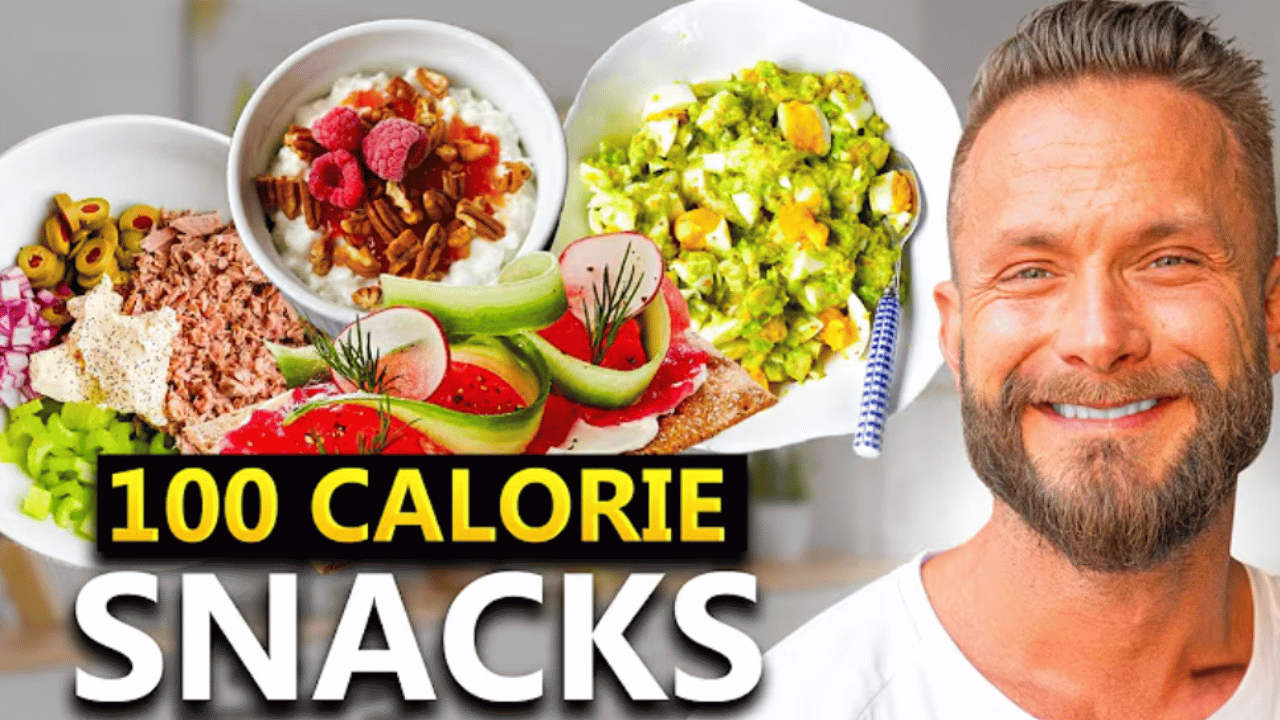
For snacks, stick with protein-focused options like cottage cheese, Greek yogurt, or a protein shake.
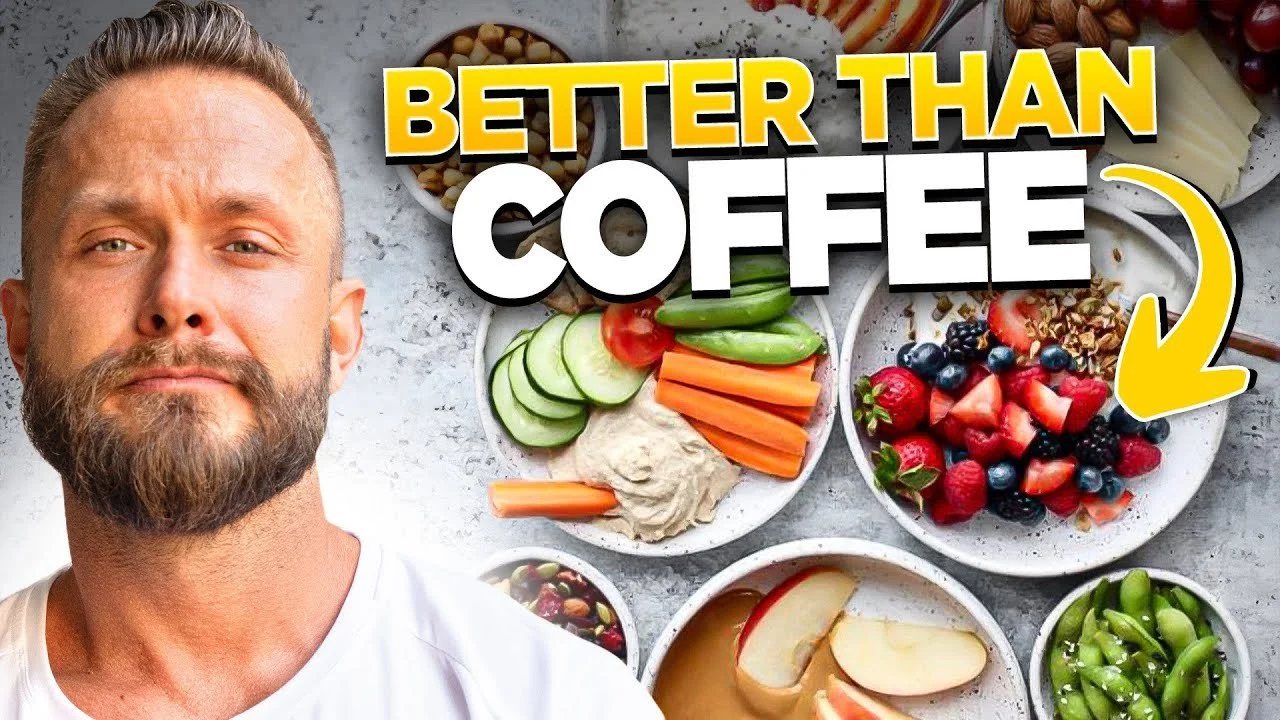
Fruit is healthy and full of nutrients. Eat it daily if you like, but remember fruit counts as carbs. Balance it with your other carb sources.
Flavor Without Added Sugar
Clean eating does not mean boring food. Use sauces wisely.
Check labels and avoid added sugar. Natural sugar is fine in small amounts. Tomato sauces and taco sauces without added sugar are great ways to add flavor without hurting progress.
The 17 Out of 20 Rule
You do not need to eat perfectly all the time.
Out of every 20 meals, aim to keep 17 on point. Enjoy the other 3. These are treat meals, not cheat meals. Good food is part of life.
Use common sense. Enjoy food, then get back on track.
Stay Patient and Consistent
Results take time. If it took years to gain weight, it will take more than a few weeks to lose it.
Listen to your body. Adjust protein, carbs, or fats as needed. Stay consistent, stay patient, and trust the process.
Meal prep is not about perfection. It is about building habits you can keep.
Ready to Take This Further?
If you want structure, support, and done-for-you guidance, download the Magnus Method App. You will get training programs, nutrition guidance, and tools to stay consistent.
Download the Magnus Method App here and stay consistent, keep it simple, and let meal prep work for you.
More from the blog