Body Fat Guide for Optimal Health and Fitness
Body fat is more than just a number on a scale; it’s a critical component of your health. Your body fat percentage represents the proportion of your weight that comes from fat tissue. Some fat is essential for hormone production, energy, and overall body function, but too much can increase your risk of diseases like diabetes, heart disease, and certain cancers.
TL;DR
Body fat percentage is the portion of your weight made up of fat.
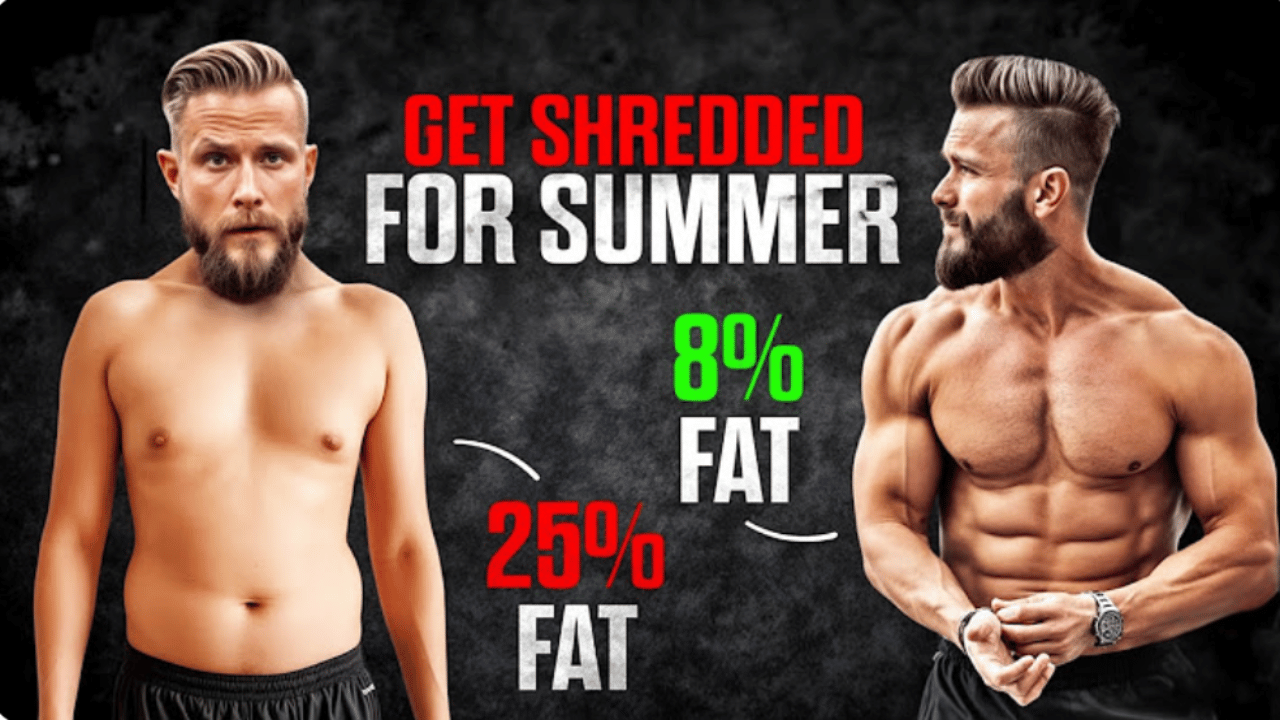
Healthy ranges vary by age, sex, and goals; men 8–19% (20–39 yrs), women 21–32% (20–39 yrs).
Extremely low fat levels, like 5%, are not sustainable or healthy.
Nutrition, exercise, sleep, and stress management all affect body fat.
Focus on consistency, patience, and overall well-being rather than numbers alone.
Healthy Body Fat Ranges
Healthy body fat percentages differ depending on age and sex. For adults aged 20–39, women should aim for 21–32% and men for 8–19%. Those aged 40–59 have slightly higher recommended ranges: women 23–33% and men 11–21%.
These numbers matter not just for appearance; they’re tied to performance, energy levels, and long-term health. Athletes often aim for lower ranges to optimize performance, but even then, extremely low percentages, like the 5% body fat of professional bodybuilders, are temporary and not safe for sustained health.
How Body Fat Affects Performance and Fitness
Your body fat percentage directly influences how your body performs. Carrying too much fat can tire your cardiovascular system, meaning you might struggle to complete reps or maintain endurance during workouts. On the flip side, extremely low fat can disrupt hormonal balance and overall health.
For most men, a healthy range for strength and muscle growth is around 10–20%, while women typically do best around 15–25%. Keep in mind, genetics, metabolism, and hormones also play a role, and everyone’s optimal range will differ slightly.
Measuring Body Fat
There are multiple ways to measure body fat, each with pros and cons:
Calipers: Affordable and effective if someone skilled takes the measurement. Precision matters.
Bioelectrical impedance scales (smart scales): Convenient but less accurate; best for tracking trends over time.
DEXA scans: Highly accurate but expensive.
Rather than fixating on a single number, track your progress over weeks or months. Consistent measurement will give you a realistic view of changes in your body composition.
Strategies to Maintain or Reduce Body Fat
1. Nutrition
Nutrition is the cornerstone of body fat management. A caloric deficit, consuming fewer calories than you burn, is essential for fat loss. Prioritize protein to preserve muscle, moderate carbs and fats for energy, and focus on a balanced diet with lean meats, poultry, fish, vegetables, and whole grains. Magnus recommends the “17 out of 20” method: 17 clean, nutrient-rich meals and 3 meals where you can enjoy what you like without guilt.
2. Portion Control
Use visual cues like your fists: one fist of protein, one of carbs or fat, and two of vegetables per meal. This simple approach helps manage calorie intake without strict counting.
3. Strength Training
Building muscle raises your metabolic rate, aiding fat loss and improving body composition. Incorporate compound lifts and resistance exercises regularly.
4. Cardio
Cardiovascular exercise, including jogging, cycling, swimming, or high-intensity interval training (HIIT), burns calories and improves heart health. Tailor intensity and frequency to your fitness level.
5. Protein Intake
Protein is crucial for muscle maintenance and recovery. Include lean meats, fish, eggs, or plant-based protein sources daily to support fat loss and performance.
6. Sleep Quality
Aim for 7–9 hours of quality sleep. Poor sleep disrupts hormones, increases appetite, and can hinder fat loss.
7. Stress Management
Chronic stress can increase fat storage. Practices like meditation, deep breathing, or yoga help maintain balance and support healthy body composition.
8. Consistency and Patience
Sustainable changes over time beat quick fixes. Avoid crash diets or extreme measures that promise rapid fat loss. They’re often unsustainable and unhealthy. Celebrate non-scale victories, such as increased strength, endurance, or improved energy levels.
Key Takeaways
Managing your body fat isn’t about achieving a specific aesthetic. It’s about optimizing health, performance, and longevity. Focus on:
Balanced nutrition and controlled portions
Strength and cardiovascular training
Adequate sleep and stress management
Patience and consistency
Extreme measures for fat loss may yield quick results, but are rarely sustainable. A healthy approach prioritizes overall well-being and helps you maintain progress long-term.
Know Your Body
Knowing your body fat percentage gives insight into your health, helps guide your nutrition and training, and allows you to track progress meaningfully. Whether your goal is performance, aesthetics, or overall fitness, focusing on sustainable habits is the key to success.
Ready to take your fitness journey further? Download the Magnus Method app here and get access to personalized programs, nutrition guides, and progress tracking tools designed to help you optimize body composition safely and effectively.
More from the blog