How to Lose Body Fat Without Counting Calories
Everybody wants to feel lean, strong, and energized. And while training often gets the spotlight, the real game-changer for body fat loss is nutrition. What you eat, and how you structure it, matters more than most people realize.
This isn’t about complicated meal plans, rigid rules, or tracking every single calorie. It’s a behind-the-scenes look at how to approach fat loss with real food, simple frameworks, and habits you can actually stick to. If you’ve ever wondered how to lose body fat without driving yourself crazy, this approach is for you.
TL;DR
Nutrition is the main driver of body fat loss
You don’t need to count calories to make progress
Protein is the non-negotiable foundation of every day
Eating enough protein early helps reduce cravings later
When eating out, double up on protein
At home, eat the same food as your family, just adjust portions
Limit carbs and fats by serving them on the side
Track body composition, not just scale weight
Structure beats perfection every time
The Big Picture: Fat Loss Without Obsession
If the goal is to lose body fat, perfection isn’t required; structure is.
Instead of tracking numbers all day, this approach focuses on understanding what foods do in the body. Protein is used to build and maintain muscle and tissue. Carbs and fats are fuel. That simple understanding allows you to make better decisions without constantly logging meals.
No complicated diets. No extremes. Just intentional eating that supports fat loss while still fitting into a busy, real-life schedule.
Morning: Start With Protein (And Make It Easy)
The day starts with a smoothie, and there’s a reason for that. Smoothies make it incredibly easy to get a large amount of protein without forcing down a massive breakfast.
The base is simple:
Whey protein (two scoops, about 45–50g of protein)
Water and ice (low-calorie and refreshing)
Cinnamon for flavor
A small amount of peanut butter for texture and taste
Ice matters more than you think; it makes the smoothie far more enjoyable.
Protein intake stays consistent whether the goal is bulking, maintenance, or fat loss. The target here is about one gram of protein per pound of body weight per day. For a 200-pound individual, that’s around 200 grams daily.
Starting the day with a high-protein meal makes everything easier later. It reduces cravings, stabilizes energy, and removes the stress of “catching up” on protein at dinner.
If you struggle with snacking or overeating at night, not eating enough protein in the morning could be the missing link.
Lunch on the Go: The Protein-Doubling Hack
When workdays are unpredictable, and meals are eaten out, structure matters more than location.
The go-to strategy when eating lunch out is simple: double the protein.
Whether it’s lunch or dinner, ordering extra protein immediately shifts the meal in a fat-loss-friendly direction. Many restaurant meals are light on protein and heavy on hidden calories from fats and carbs. Doubling protein fixes that fast.
At places like salad-focused restaurants, the move is to:
Choose a low-carb base
Accept some fats from dressing
Keep carbs modest
Double the protein (for example, extra chicken)
This creates a meal that’s filling, satisfying, and supportive of body fat loss without counting a single calorie.
Measuring Progress the Right Way
One of the biggest mistakes people make when trying to lose body fat is relying only on the scale.
Weight alone doesn’t tell the full story.
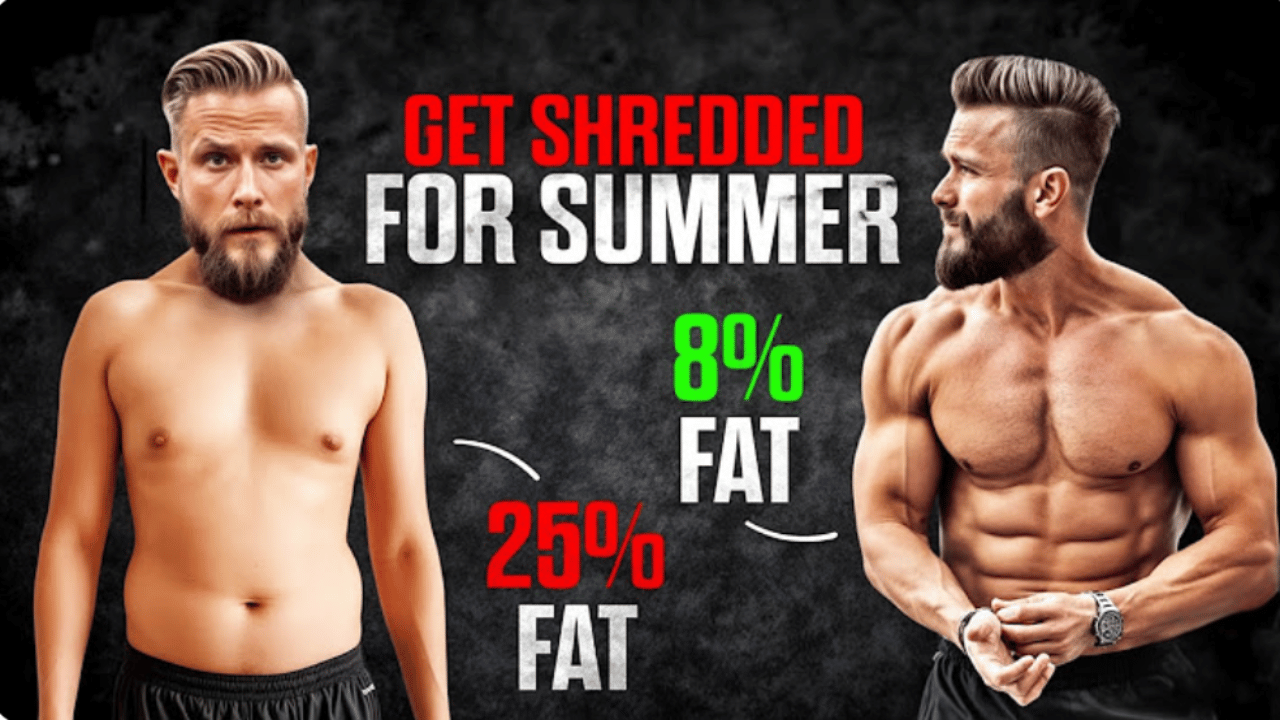
Body composition, how much of your weight is muscle versus fat, can change even when the scale doesn’t move. That’s why tracking tools that measure muscle mass and fat distribution are so valuable.
Seeing progress in body fat percentage or muscle retention can be incredibly motivating, especially during plateaus. It reinforces the idea that the process is working, even when the mirror or scale feels stubborn.
Dinner at Home: Fat Loss Without Cooking Separate Meals
Fat loss gets tricky when you have a family. Cooking separate meals sends the wrong message and makes consistency harder.
The strategy here is simple and powerful:
Everyone eats the same food
Carbs and fats are served on the side
Portion sizes change, not the menu
That way, no one feels like they’re “dieting,” and there’s no focus on weight loss at the table, just healthy eating.
For example:
Lean steak as the main protein
Grilled vegetables and fresh salads for volume and fiber
Rice and guacamole served on the side
On your plate, you eat more protein and vegetables, and less of the rice and guac. The rest of the family eats balanced portions of everything.
This keeps meals normal, sustainable, and mentally healthy, especially important if you have kids.
Building a Fat Loss Plate (Without Numbers)
Every meal follows the same simple framework:
High-quality protein as the anchor
Vegetables for volume, fiber, and nutrients
Carbs and fats as fuel, adjusted based on goals
Steak provides complete protein. Vegetables add bulk and micronutrients. Healthy fats like guacamole add satisfaction. Lemon zest, herbs, and acidity boost flavor without extra calories.
Fat loss doesn’t require bland food or extreme restriction. It requires intention.
The Real Secret to Losing Body Fat
Here’s the truth: losing body fat doesn’t require perfection.
It requires:
Consistent protein intake
Smart portion control
Simple, repeatable habits
A focus on structure, not stress
You don’t need to count every calorie, but you do need to care about what’s on your plate. When you consistently prioritize protein, manage carbs and fats, and eat plenty of vegetables, fat loss becomes a natural byproduct.
No crash diets. No obsession. Just sustainable, high-performance eating that works in real life.
Ready to Lose Body Fat?
If you want to lose body fat and keep it off, stop chasing extremes. Focus on habits you can repeat day after day. Eat real food. Keep protein high. Be flexible without being careless.
That’s how real progress happens.
If you want guidance with both training and nutrition without guesswork, download the Magnus Method app now.
More from the blog