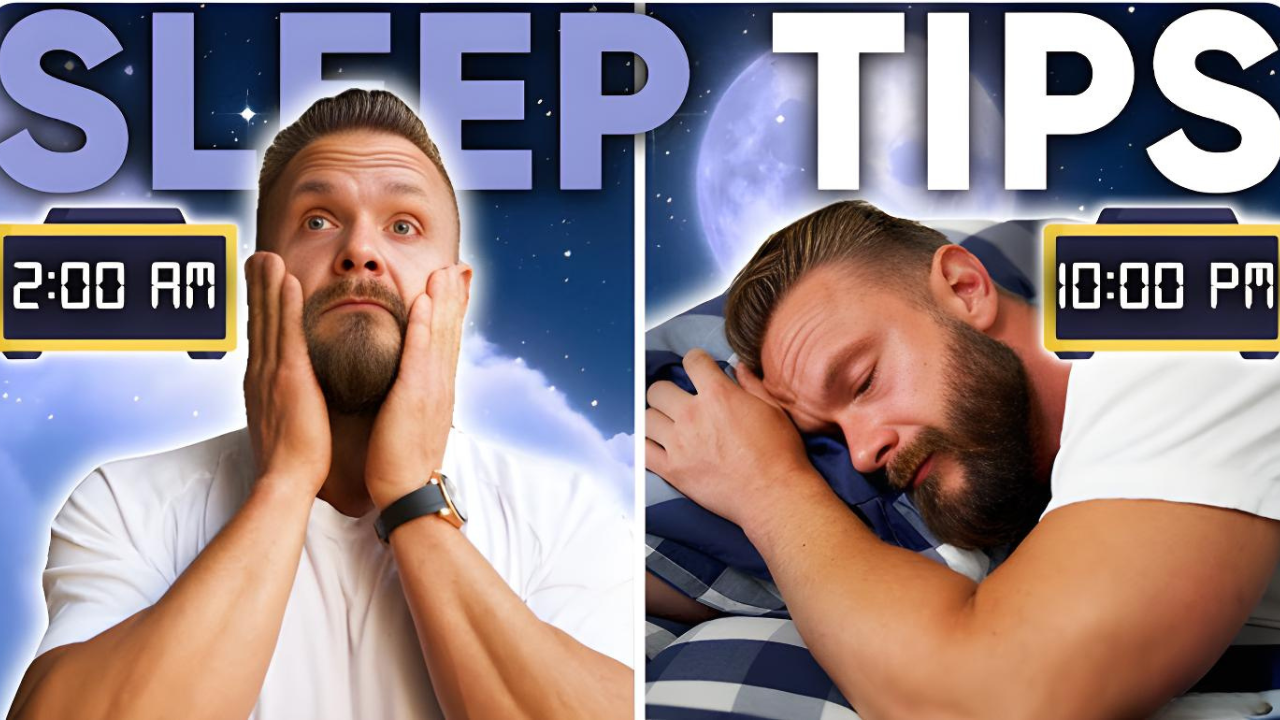
Without sleep, you will die. Dramatic, yes. But the point is real: sleep is a basic need, and sleep problems are very common. Even “minor” sleep issues can hit your health hard over time.
A lot of people focus on diet and training to improve life. That is awesome. But sleep is the third piece that makes the other two work. If you train hard and eat well but sleep poorly, progress turns into a messy stop-and-go cycle.
In this guide, you will learn why sleep matters, how sleep cycles work, and how to sleep better using simple habits that are realistic for real life.
TL;DR
Sleep supports mood, focus, and long-term health
Poor sleep can increase hunger and cravings
Poor sleep can hurt self-control and decision-making
Sleep cycles include REM and non-REM stages
You need full cycles for the best recovery and brain benefits
Exercise, a cooler room, and a sleep schedule can help
Blue light and stimulating activities can delay sleep
Stress can fragment sleep, so calm bedtime routines matter
Why Sleep Matters More Than You Think
Sleep helps reduce brain fog and supports mental performance. It boosts mood and can help with mental health struggles. It also connects to long-term health risks like stroke, dementia, and heart problems.
There is also a “too much vs too little” issue. One major study found that too much sleep increases heart attack risk, and too little sleep increases the risk of coronary heart disease.
Now let’s talk about the part most people miss.
Sleep and Body Goals
Weight loss is about a calorie deficit. You need to burn more calories than you eat. That is the rule.
But sleep affects the behaviors that make a calorie deficit possible. Building muscle and losing fat are not one-time actions. They are repeated decisions.
Poor sleep can mess with hormones like leptin and ghrelin. That can increase appetite and cravings. You might push through for a while, but it gets hard to do forever.
Sleep deprivation can also lower frontal lobe activity. That hurts self-control and decision-making. You may not even realize you are making a bad choice until later.
And the simplest example: when you are tired, you skip workouts. If you feel drained all day, you will not want to train. Not taking sleep seriously sets you up for failure.
When You Might Need More Than “Tips”
Some sleep issues are not easy to fix alone. Sleep disorders like sleep apnea are common, and even small disruptions can leave you exhausted.
In the transcript, a sleep test showed mild sleep apnea and a key detail: the issue happened mainly when sleeping on the back. That kind of info can help you choose better sleep positions or explore medical options.
The big point: if you keep struggling, do not just blame “lack of willpower.” Sometimes you need data and professional help.
Sleep Cycles: The Basics You Need to Know
Not all sleep is the same. Your night is made of repeating sleep cycles. Sleep doctors often split sleep into two big categories:
REM sleep (rapid eye movement)
Non-REM sleep (NREM)
You cycle between these two types through the night.
REM Sleep
REM is when your eyes move under your eyelids. It can look weird, but it is normal. REM sleep is linked to emotional processing, memory, and learning.
If you do not get enough REM sleep, you may feel more emotional, forgetful, and mentally foggy.
REM is also when people tend to dream. Some studies suggest that many dream memories happen because people wake up during REM.
During REM, the body “locks up” from the chin down, at least partly. Scientists think this helps prevent acting out dreams. Sleep paralysis can happen if you wake up before that temporary paralysis fades.
Here is the tricky part: REM sleep is often the first thing you miss when your sleep is broken. REM is only about 20 to 25% of total sleep time on average, and it comes later in the night.
If you wake up a lot, you might be cutting off the best REM time.
Non-REM Sleep
You do not jump into REM right away. You first go through non-REM stages:
Stage 1: first 1 to 10 minutes, easy to wake up
Stage 2: starts around 10 to 25 minutes, longer each cycle, harder to wake up
Stages 3 and 4: deep sleep, also called slow wave sleep
Stage 4 in the first cycle often lasts about 20 to 40 minutes.
Non-REM matters because this is when your body does a lot of repair and healing. If you train, this matters a lot.
Also, you need to reach stage 4 before you get into REM. That means broken sleep can block you from both deep repair and brain benefits.
Why This Changes Your Plan
To get real benefits, you need to stay asleep long enough to complete cycles. For most adults, that usually means around 8 hours.
And if you nap, aim for 60 to 90 minutes so you can complete a full cycle.
How to Sleep Better: Simple Sleep Hygiene That Works
These “hacks” are really just good sleep hygiene. They are habits that support sleep. Let’s keep it simple.
1) Exercise Helps, Even If You Hate Hearing That
Yes, it is annoying advice. But it is true.
Being physically worn out helps you feel sleepy. Exercise also creates endorphins that help you relax later.
Exercise during the day raises your temperature and blood pressure, signaling “awake time.” Then later, your body cools down, which helps you sleep.
Light exercise before bed can also help, because your body cools off after you warm up. That cooling effect can make you drowsy.
If you already exercise a lot or have long work days, keep going to the next tips.
2) Make Your Room Cooler
People sleep better in cooler rooms. Do not turn your bedroom into an ice box. Just slightly cooler than normal room temperature can help.
This is a low-effort change, and it is easy to stay consistent with. That makes it powerful.
3) Keep a Consistent Sleep Schedule
A sleep schedule is one of the best tools you have.
Humans have a circadian rhythm that helps us sleep at night and stay awake during the day. Modern life can throw it off fast.
Going to bed and waking up at similar times helps your body get ready for sleep automatically.
4) Watch the Phone and Computer at Night
When it gets dark, your body starts producing melatonin to make you sleepy.
Blue light from screens can trick your brain into thinking it is daytime. That can reduce or delay melatonin production.
Blue light alone will not ruin everything, but it can hurt your routine. If you cannot fully cut screens, try:
Blue light filter glasses
A screen filter setting on your devices
Also, remember, it is not just the light. It is the stimulation. Games, intense chats, and exciting content can keep your brain “on.” Save that for earlier in the day.
Melatonin pills can help, and the transcript notes they are not unhealthy. But it is easier long-term to build habits so you do not need supplements.
5) Lower Stress Before Bed
Stress is a huge driver of poor sleep. And it becomes a cycle: poor sleep makes stress worse, and stress makes sleep worse.
Even if you fall asleep, stress can fragment your sleep. That means you do not get the full benefit of your sleep cycles.
There is no one perfect solution for everyone. But you can be intentional about making bedtime calmer.
Try calming rituals like:
Meditation
Stretching
A cup of tea
Even if they do not erase stress, they can signal to your brain that it is time to wind down.
One Last Thing: Do Not Panic About Sleep
If you take only one idea from this, let it be this:
Do not stress about being a “bad sleeper.” Sleep problems are real, but they can improve with time. You do not need to go from zero to perfect overnight.
Do what you can. Stack small wins. Your sleep can get better little by little.
Want a Full Plan That Supports Better Sleep?
Training and nutrition are easier when your sleep is solid. If you want a structure that helps you stay consistent, download the Magnus Method App.
More from the blog