How to Fuel Muscle & Strength the Smart Way
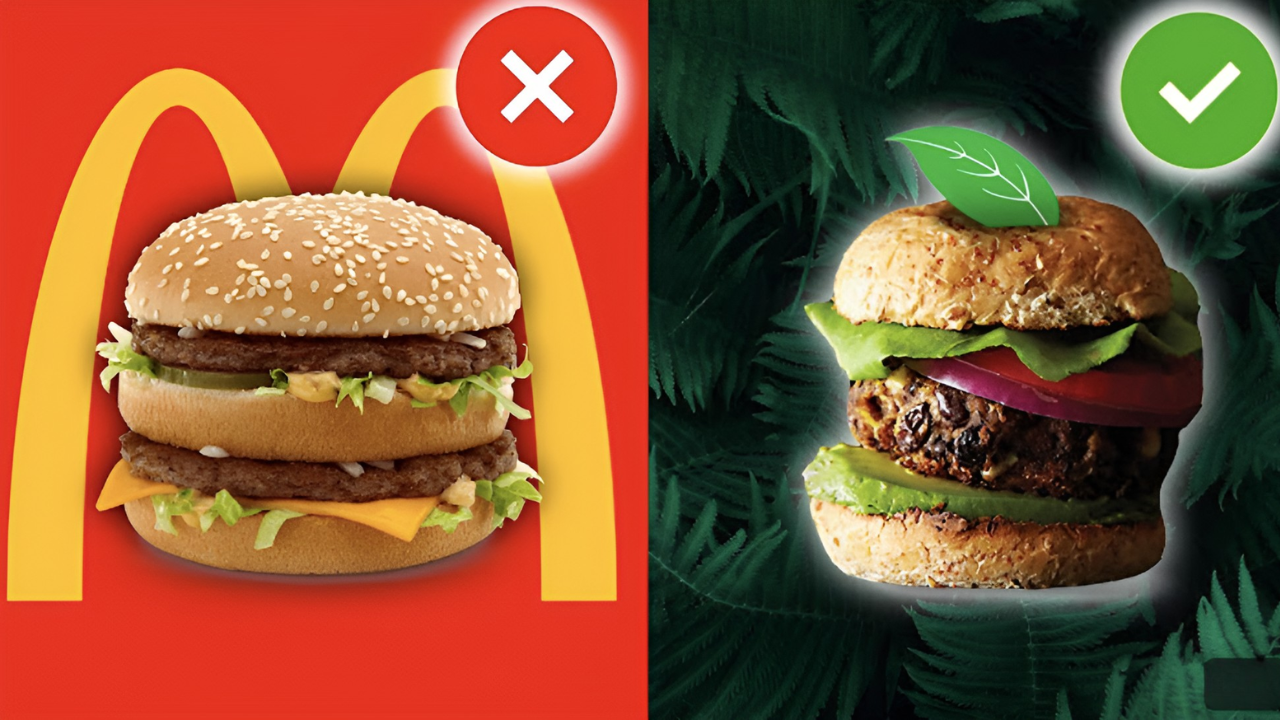
The fitness world can feel like a jungle. One person swears by keto, another says fasting is the answer, and someone else claims high-carb is the only way to grow muscle. Some of them are right, some are wrong, but most of the time the real answer is simple: it depends.
What actually matters, no matter what diet you choose, is understanding macros and calories. When those are dialed in, you can build muscle, gain strength, and stay consistent without chasing the next trendy diet.
In this guide, I’ll show you how to calculate macros and calories using simple formulas that work with almost any nutrition strategy.
TL;DR
Your diet is just a strategy, not magic
Macros and calories are not optional for muscle growth
Calories determine weight change and energy availability
Protein is the top priority for building muscle
Fat and carbs are flexible fuel sources
Maintenance, surplus, and deficit all affect results
The best diet is the one you can stick to
Diets Are Just Tools, Not Rules
Keto, fasting, vegan, high-carb, these are all tools. Most mainstream diets can keep you healthy and help you build muscle if they are executed properly.
The mistake people make is thinking the diet itself is the solution. It’s not. Your results come from how well you control your macros and calories, not from the name of the diet.
Once you understand the numbers, you can plug them into almost any eating style and still make progress.
Why Calories Matter for Muscle Growth
Calories are not just for weight loss. They play a huge role in giving your body the fuel it needs to train hard, recover, and build muscle.
There are three calorie states:
Deficit: eating less than you burn
Maintenance: eating about the same amount as you burn
Surplus: eating more than you burn
You don’t have to be in a surplus to build muscle, but each state affects how fast, how much, and how sustainably you grow.
For example, being in a deficit can make you feel more fatigued, which may limit training intensity and frequency. A surplus gives you more energy but may come with some fat gain.
How to Calculate Calories for Muscle & Strength
Here’s the simple formula I use with clients.
Maintenance Calories
Bodyweight (lbs) × 15
Example:
200 lbs × 15 = 3,000 calories per day
This is a solid starting point for maintaining weight while building muscle slowly and sustainably.
Muscle Gain Focus
Bodyweight (lbs) × 17
Example:
200 lbs × 17 = 3,400 calories per day
This approach prioritizes muscle gain without worrying too much about fat gain.
Whichever route you choose, weigh yourself every four weeks. Adjust calories as your body changes.
Making Calories Work in Real Life
Knowing your calorie target is the easy part. Living it is where most people struggle.
The easiest approach:
Follow recipes with nutrition info
Keep meals simple
Use a kitchen scale if needed
Tracking becomes much easier when you use calorie or macro tracking apps. These apps already have food databases, which saves time and effort.
A useful rule to remember:
Protein: 4 calories per gram
Carbs: 4 calories per gram
Fat: 9 calories per gram
This will help you understand and adjust your macros.
Macros Are Not Optional for Muscle Growth
If calories are the foundation, macros are the structure.
Macros, short for macronutrients, are:
Protein
Fat
Carbs
Protein: The Non-Negotiable
Protein is the building block of muscle and tissue. If you’re not seeing progress, protein intake is often the missing piece.
I never compromise on protein. Even during a cut, protein stays high.
My guideline:
1 gram of protein per pound of bodyweight per day
So at 200 pounds, that’s about 200 grams of protein daily. Yes, this applies to women too.
Adequate protein helps you:
Build muscle
Maintain muscle during fat loss
Recover faster
Support overall health
Cutting protein to reduce calories is one of the biggest mistakes people make.
Fat and Carbs: Flexible Fuel
Once protein is set, fat and carbs become tools you can adjust.
Fat and carbs both provide energy. Which one you emphasize depends on preference and diet style.
The rule is simple:
Keep protein stable
Adjust fat and carbs to hit calorie goals
This flexibility is why keto, high-carb, and mixed diets can all work when macros and calories are correct.
How to Calculate Macros and Calories Together
Let’s walk through a full example.
Example: 200 lb Individual at Maintenance
Calories: 3,000 per day
Protein: 200 g = 800 calories
Remaining calories:
3,000 – 800 = 2,200 calories for fat and carbs
Now you choose how to divide those calories.
Option 1: Higher Carb
Protein: 200 g = 800 calories
Carbs: 450 g = 1,800 calories
Fat: 45 g = 405 calories
Option 2: Lower Carb
Protein: 200 g = 800 calories
Carbs: 40 g = 160 calories
Fat: 225 g = 2,025 calories
Both strategies work for muscle building because protein and total calories are aligned. Preference and sustainability decide which is best.
Build Meals Around Protein
A simple strategy that works across all diets:
Start with a core protein source
Add vegetables
Add carbs or fat as needed
Vegetables are low in calories but high in fiber and micronutrients. They help fill out meals and support overall health without blowing your calorie budget.
This approach keeps meals balanced, flexible, and easy to repeat.
The Best Diet Is the One You Can Maintain
There is no perfect diet. The best plan is the one you can follow consistently.
Personally, I organize meals in blocks:
17 out of 20 meals are on point
3 meals are flexible
I don’t believe in extreme restriction forever. Sustainability matters more than perfection.
The Big Picture
If you take one thing away from this, let it be this:
Multiply your weight by 15 or 17
Eat enough protein every day
Use fat and carbs to fill the remaining calories
That’s it. Once those are set, you can choose any diet strategy and execute it successfully.
Want Help Dialing In Your Macros and Calories?
If you want step-by-step guidance, ready-made programs, nutrition tools, and challenges to keep you accountable, the Magnus Method App has you covered.
Download the Magnus Method App now and master macros and calories once, and stop guessing forever.
More from the blog