Fast Food and Fat Loss: Does It Really Ruin Your Diet?
Let’s clear this up right away. Fast food does not automatically make you gain fat.
That might sound surprising, but it’s true. The real driver of weight gain is eating more calories than your body needs. Not the label on your food.
So, does fast food ruin your diet? Not by itself. But how you use it, how often you eat it, and what your overall habits look like that’s what matters.
This guide breaks it all down in a simple, real-world way so you can stop stressing and start making smarter choices.
TL;DR
Fast food does not cause fat gain by itself
Calories determine weight gain or loss
Protein helps protect muscle and control hunger
You can lose weight eating fast food if calories are controlled
Skipping soda and fries saves a lot of calories
Food quality still matters for health, energy, and digestion
Whole foods support better performance and long-term results
Flexibility is key, but balance is everything
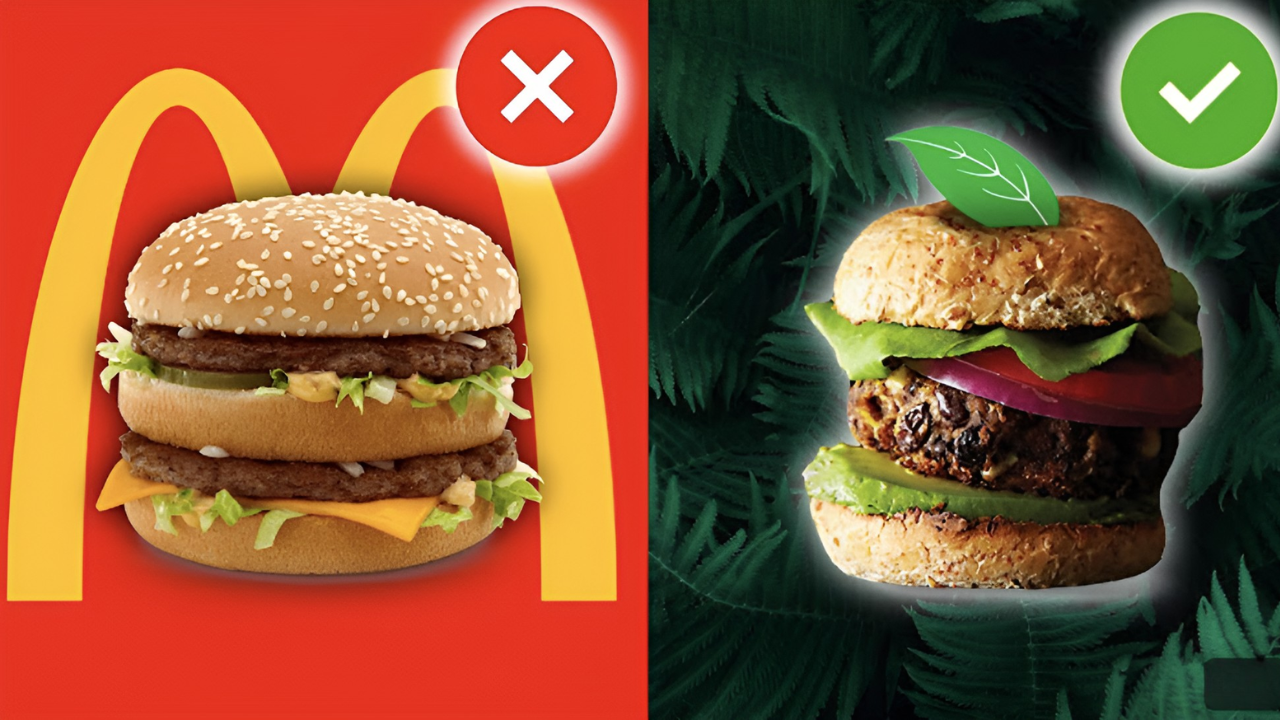
The Biggest Myth About Fast Food
Most people think fast food is the reason they gain weight.
It’s not.
Weight gain happens when you consistently eat more calories than your body burns. That’s it.
In a real-world test, eating fast food daily while staying within a calorie target actually led to slight weight loss.
That alone should change how you think about dieting.
It’s not about labeling foods as “good” or “bad.” It’s about understanding how your body works.
Calories Come First
If you want to lose weight, you need to be in a calorie deficit. That means eating fewer calories than your body uses.
A simple way to estimate:
Body weight × 15 = maintenance calories
Body weight × 12 = fat loss calories
For example:
206 lbs × 15 ≈ 3000 calories (maintenance)
206 lbs × 12 ≈ 2400 calories (fat loss target)
Stick to that target, and your body will respond.
Even with fast food.
Protein Changes Everything
Calories control your weight. But protein changes how your body looks and feels.
When eating fast food, prioritizing protein becomes even more important.
Why?
It helps maintain muscle
It keeps you full longer
It supports recovery and performance
A good target is around 0.8 to 1 gram of protein per pound of body weight.
Without enough protein, you might lose weight, but you risk losing muscle and feeling low energy.
How to Eat Fast Food the Smart Way
If you’re going to include fast food in your routine, you need a strategy.
Here’s what works:
1. Control Your Calories
Every meal counts toward your daily total. Stay within your target, and you stay on track.
2. Skip Liquid Calories
Soda, sugary drinks, and lemonade can add hundreds of calories fast.
Stick to:
Water
Sparkling water
Black coffee
This one change alone can make a huge difference.
3. Skip the Extras
Fries, creamy sauces, and add-ons can double your calories without adding much nutrition.
Keep it simple.
4. Choose Protein-Focused Options
A burger with solid protein can fit your goals better than low-protein, high-calorie meals.
Example:
A cheeseburger with decent protein can work
A low-protein, high-fat meal makes it harder to stay full
The Problem With Only Eating Fast Food
Here’s where things get real.
Yes, you can lose weight eating fast food. But that doesn’t mean it’s a good long-term strategy.
After several days of eating only fast food, some clear issues show up:
Energy levels drop
Digestion feels worse
Cravings increase
You start wanting real, whole foods again
That’s your body telling you something.
Why Food Quality Still Matters
Let’s break this down simply:
Calories control your weight
Macros control muscle vs fat
Food quality controls your health
Two people can eat the same calories and have totally different results.
Example:
Person A eats mostly ultra-processed food
Person B eats whole foods with high protein
Same calories. Different outcomes.
The person eating better quality food will:
Keep more muscle
Feel fuller
Have better energy
Support long-term health
That’s the difference.
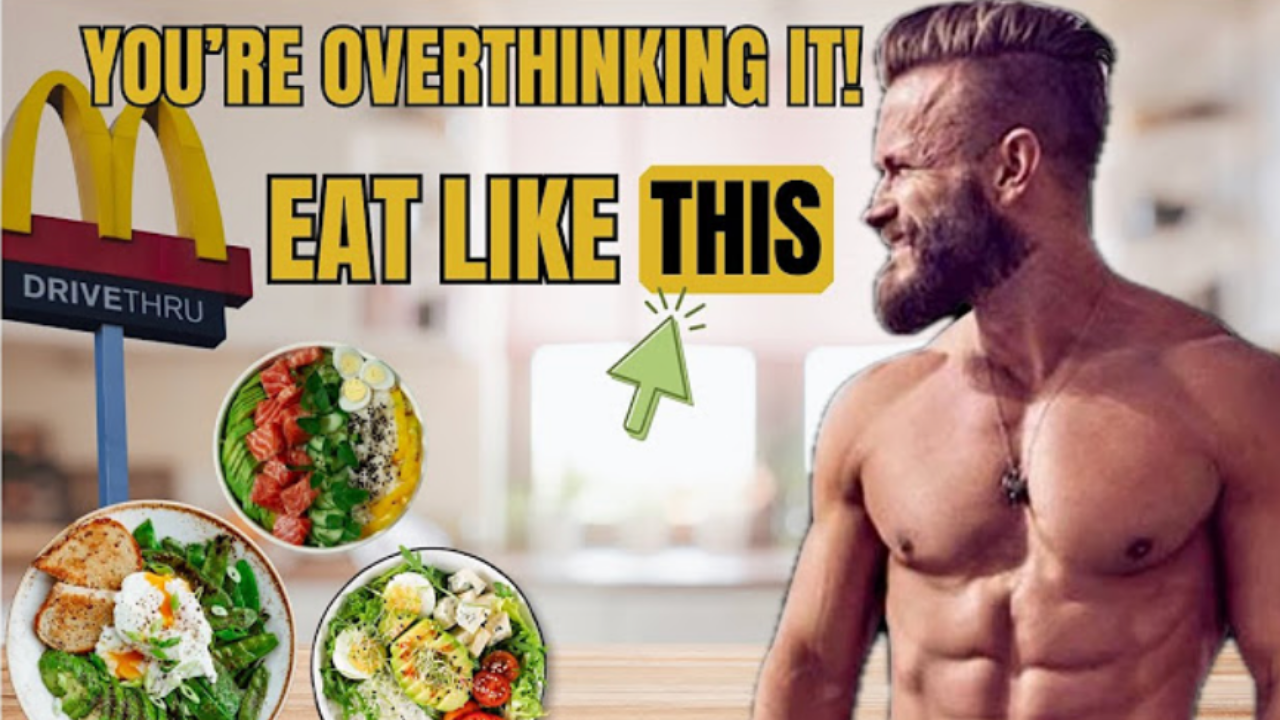
The Real Answer: Does Fast Food Ruin Your Diet?
No. One meal will not ruin your progress.
Even a few meals won’t.
What ruins progress is:
Eating too many calories consistently
Not getting enough protein
Lacking structure and consistency
Fast food is not the enemy. Lack of understanding is.
The Magnus Method Approach
Instead of cutting out foods completely, focus on balance.
Here’s the mindset:
Control your calories
Prioritize protein
Train consistently
Stay flexible
That means:
You can enjoy fast food sometimes
You don’t panic after one meal
You focus on long-term habits
Because real transformation doesn’t come from perfection. It comes from consistency.
When Fast Food Fits In
Fast food can fit into your lifestyle when:
You’re busy and need convenience
You stay within your calorie target
You make smarter choices
But it should not replace:
Whole foods
Balanced meals
Nutrient-rich eating
Think of fast food as a tool, not a foundation.
Final Thoughts
So, does fast food ruin your diet?
No.
But relying on it too much can hurt your energy, digestion, and overall health.
The goal isn’t to eliminate fast food. The goal is to understand how it fits into your bigger plan.
Control your calories. Eat enough protein. Focus on consistency.
That’s how you win.
Ready to Take Control of Your Nutrition and Training?
If you want a clear plan that removes the guesswork and helps you stay consistent, download the Magnus Method app.
Simple structure. Real results. No confusion.
More from the blog