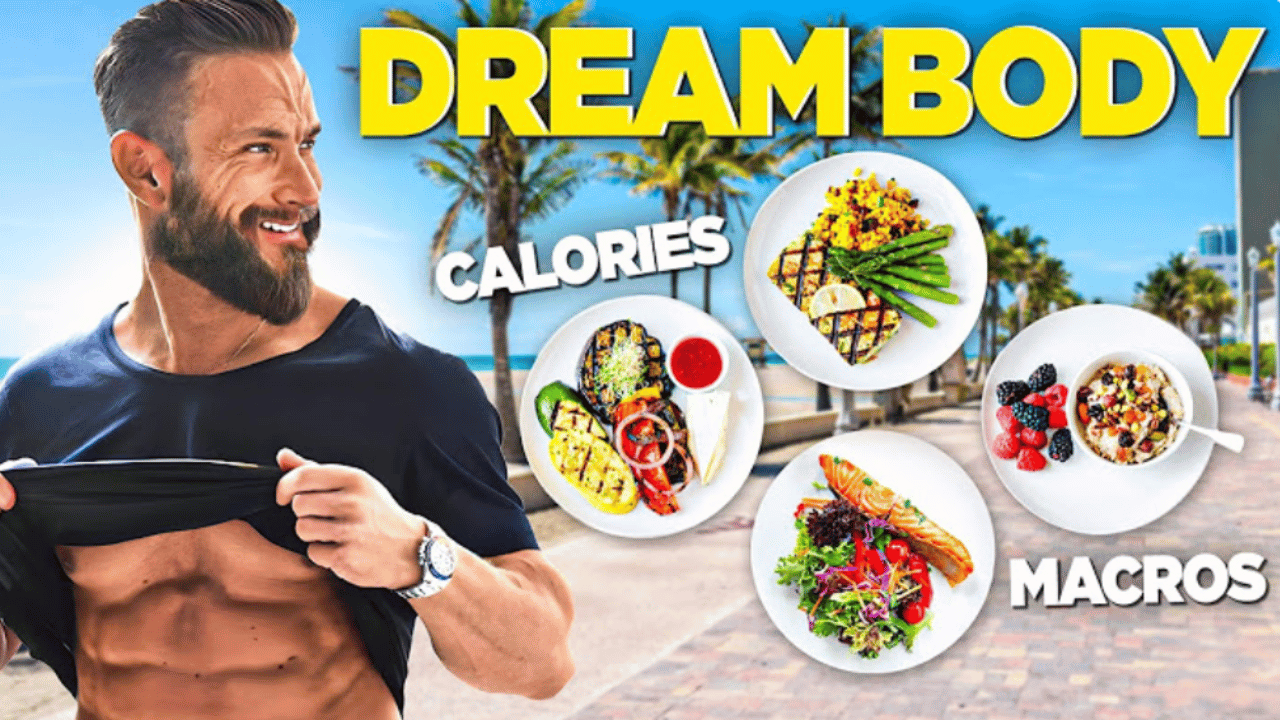
How a Healthy Diet Helps You Lose Weight the Right Way
If you've been searching for the "secret" to losing weight, I'm going to save you a lot of time. There isn't one.
I've been a trainer for over 20 years, working with Hollywood actors and artists to get them into superhero shape. And one of the most common questions I get is how to lose weight in a healthy way. So today we're going to break it down.
No magic pills. No 30-day cleanse. Just real information you can actually use.
TL;DR
Weight loss comes down to calories in vs calories out, but not all calories are equal
You can't out-train a bad diet, and you can't out-eat a bad workout. Both matter.
Macronutrients (protein, fat, and carbs) are what make a diet healthy or not
Protein builds muscle and tissue. Fat fuels hormones and energy. Carbs come in 3 forms: fiber, starches, and sugar.
My personal strategy: 5 meals a day, every 3 hours, in 4-day cycles
17 out of every 20 meals are on point. The other 3 are whatever I want.
No guilt. No failed diets. Just consistency.
Training and Nutrition: Which One Matters More?
Is it 50/50? 70/30? 80/20?
The honest answer is neither. You have to get on top of both training and nutrition.
Think about it. You can run a marathon and still be overweight. You can also have a six-pack and be in lousy shape. They're two different sides of the same coin.
But today I want to focus on the nutrition side, because when it comes to actually losing weight or burning fat, nutrition is where most of the magic happens.
So What Actually Makes Diets Work?
There are a ton of diets out there. Keto, paleo, intermittent fasting, Mediterranean, plant-based. Guess what? Most of them work.
Why? Because they all do the same thing underneath the surface: they put you in a calorie deficit.
That just means you're burning more calories than you're eating. That's it. That's the foundation of weight loss.
But here's the catch. Just because a diet works doesn't mean it's healthy. And that's where most people get this wrong.
Calories vs Macros: Why Both Matter
Let's get technical for a second. A calorie is a unit of measurement. Specifically, it's the amount of heat needed to raise the temperature of one gram of water by 1°C.
That's the science. Here's the part that matters for you.
All calories are not equal.
Picture two people. Both are eating 1,500 calories a day.
Person A eats only ice cream.
Person B eats chicken, fish, vegetables, grains.
Both will lose the same amount of weight on paper. But who's actually healthy? Who has more energy? Who's building muscle? Who's protecting their long-term health?
Person B. Every time.
That's where macronutrients come in.
Breaking Down the 3 Macros
Macronutrients (or "macros") are the 3 big categories of nutrients your body needs every day.
1. Protein
Protein is the building block of muscle and tissue. It's essential. You literally cannot survive without it. If you want to build muscle, recover faster, or burn fat while keeping your shape, protein is non-negotiable.
2. Fat
Fat gets a bad reputation, but it's critical. Fat gives you energy, protects your organs, supports cell growth, and even helps produce vital hormones like testosterone. Don't fear fat. Just choose the right kinds.
3. Carbs
Carbs come in 3 forms, and this is where most people get confused.
Fiber: Beans, fruit, veggies, and whole grains. These are amazing. They curb your appetite and can even lower cholesterol.
Starches: Grains, potatoes, radishes, sweet potatoes, and other root vegetables. Great fuel when timed right.
Sugar: Rapidly absorbed into your bloodstream. Causes a big blood sugar spike and insulin spike. You already know what sugar is.
When you understand macros, you stop chasing trends and start eating with a purpose.
My Personal Eating Strategy
I get asked all the time what I actually do. So here it is. Simple, sustainable, and built for real life.
I eat 5 times a day.
Breakfast
Snack
Lunch
Snack
Dinner
I eat roughly every 3 hours. If it ends up being 2 or 4 hours between meals, that's fine. Life happens. But 3 hours is my target.
I think in 4-day cycles. Five meals a day across 4 days equals 20 meals. Out of those 20 meals:
17 are on point. Real food. Balanced macros. Eating with purpose.
3 are whatever I want. No restrictions. No guilt.
This is the part that changes everything.
Why This Approach Wins
Most diets fail because they ask you to cut out everything you love. Pasta? Gone. Ice cream? Forget it. Pizza with your family? Not allowed.
That kind of thinking sets you up to fail.
When I have pasta Alfredo on a Wednesday night with friends, I don't carry around a guilty conscience the rest of the week. When I have ice cream with my family on a Sunday, I'm not "off" my diet.
Why? Because those moments are built into the plan.
I've never failed a diet, and the reason is simple: my approach doesn't require perfection. It requires consistency. 17 out of 20 meals on point. The other 3 are part of life.
That's how to lose weight with a healthy diet without losing your mind in the process.
The Bottom Line
Weight loss isn't about secrets. It isn't about magic pills. It isn't about pretending to enjoy chicken breast and Brussels sprouts every single meal.
It comes down to a few simple ideas:
Put yourself in a calorie deficit
Focus on quality macros, not just calorie numbers
Eat consistently throughout the day
Allow room for real life
Show up day after day
Do that, and the results will come. Not in a week. Not overnight. But they will come, and they'll stick.
FAQ
Do I have to count calories to lose weight? Not necessarily. Understanding macros and eating balanced meals at regular intervals often works just as well, especially long term.
Can I still eat my favorite foods on a healthy diet? Yes. Building in 3 "whatever I want" meals out of every 20 keeps you sane, keeps you consistent, and keeps you from quitting.
How often should I eat to lose weight? I aim for 5 meals a day, roughly every 3 hours. Find a schedule that works for your lifestyle and stick to it.
Is one macro more important than the others? Protein is the most critical for muscle and recovery, but you need all 3 macros working together for a truly healthy diet.
Ready to Take the Guesswork Out of Eating?
If you want a full plan that lays out the training, the meals, the grocery lists, and the structure to follow daily, my Magnus Method App does all of that for you. It's the same approach I use with my clients and on myself.
More from the blog