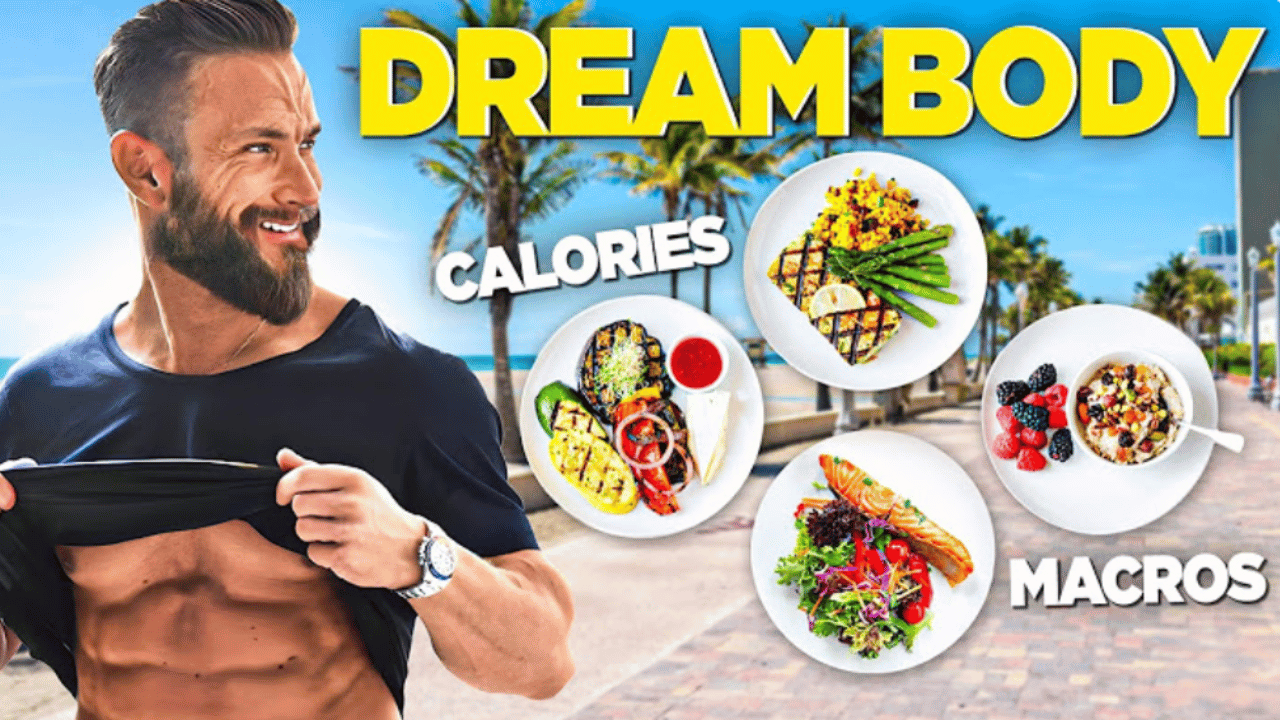
9-Week Summer Plan That Actually Works to Lose Weight
Summer is coming, and if you’re here, you’re ready to lose weight, or at least get in better shape than you are right now. Good. Let’s use that energy, but let’s use it wisely.
Because real life is harder than the movies. Unexpected plans happen. Cravings show up. You’ll have low-energy days. If your plan can’t survive those moments, it won’t survive nine weeks.
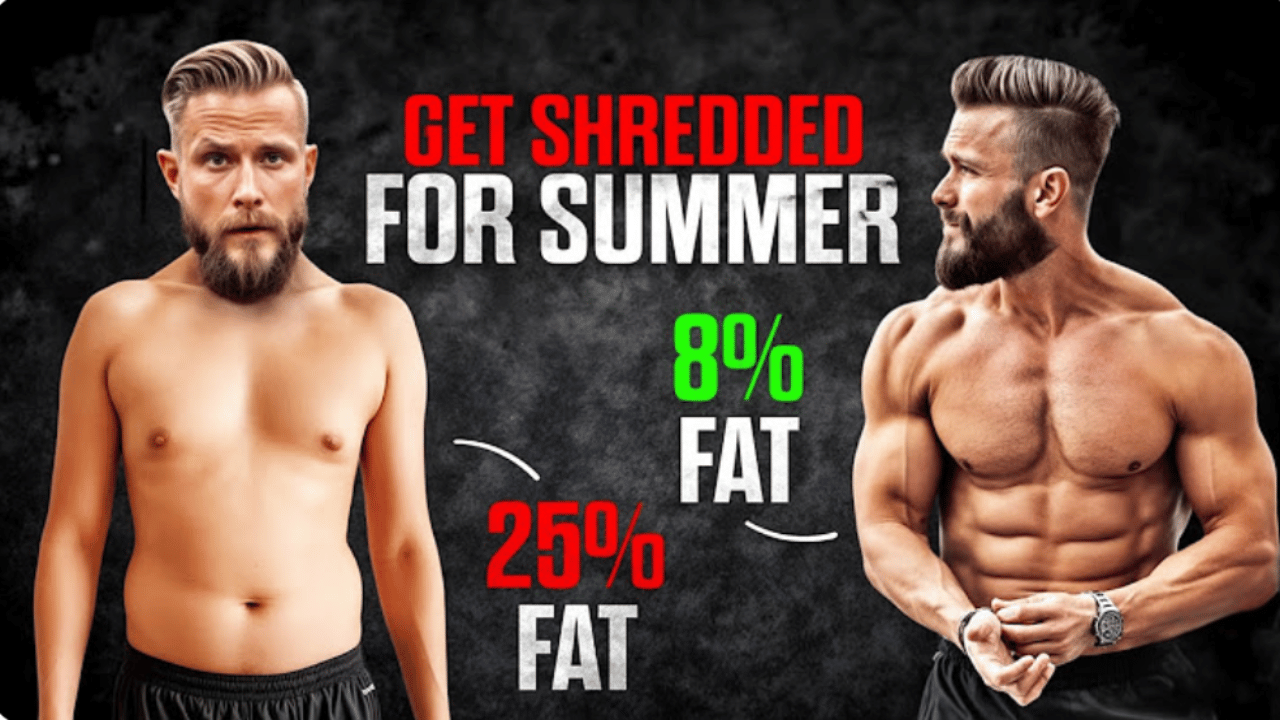
This blog post is built around nine simple lessons from a 9-week summer body transformation challenge: less hype, more results. You’re not chasing perfection. You’re building habits that will still work after summer.
TL;DR
Don’t aim for perfection, aim for 80–90% consistency
Use progressive overload so workouts don’t plateau
Nutrition “starts at the table”: protein is non-negotiable
Track training, food, sleep, and hydration to break plateaus
Adopt a challenger mindset: focus on daily decisions + embrace discomfort
Follow basic gym etiquette (warm up, don’t hog, clean up)
Use diet “hacks” when life gets messy (17/20 meals rule + fist method)
Listen to your body: soreness is normal, sharp pain is a red flag
Think beyond the 9 weeks: build a lifestyle, not a punishment
Lesson 1: Don’t Obsess Over Perfection (It Backfires)
Perfection sounds motivating… until it ruins you.
If your goal is 100% perfect eating and training, then one “slip” can feel like failure. And that’s how people quit: one off day turns into “I blew it,” and suddenly the whole plan is dead.
Instead, aim to hit 80–90% of your goals. That’s enough to see impressive changes without the mental burnout. Also, perfection ignores something important: your body is not someone else’s body. People respond differently to training, food, and recovery. Sometimes the “ideal plan” gives worse results than a plan built for your real life.
Consistency beats perfection. Every time.
Lesson 2: Progressive Overload Is the Growth Trigger
If you want to change your body, you need your body to adapt.
That means progressive overload: gradually increasing the demands placed on your muscles. Muscles grow by being pushed harder than they’re used to, creating small tears that heal back stronger.
But there’s a sweet spot. Push too little, and you plateau. Push too hard, and you risk real damage instead of growth.
Progressive overload can look like:
Increasing weights
Increasing sets or reps
Increasing training frequency
Increasing time under tension
Improving form and range of motion
If your workouts feel easy and never change, your results will stall.
Lesson 3: It Starts at the Table (Nutrition Matters as Much as Training)
In the challenge and beyond, nutrition is not optional.
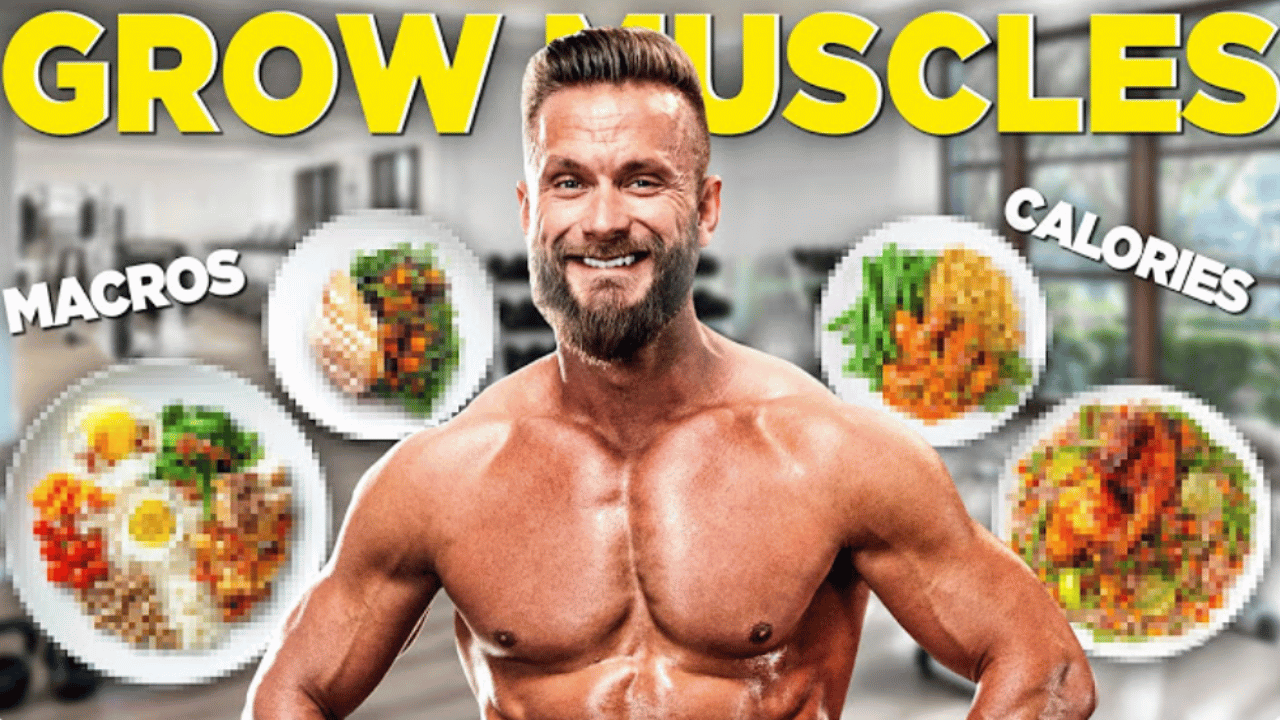
Protein is the non-negotiable foundation of a solid plan. Your body uses protein to maintain muscle during a cut and rebuild stronger after workouts. If you’ve trained hard before and didn’t see much change, not enough protein might be part of the reason.
Carbs and fat matter too because your body uses them as fuel. If you’re a couple weeks in and start skipping workouts because you’re exhausted, that’s a clue: your fuel might be off.
And don’t forget the other essentials:
Hydration
Fiber (part of the carb family)
Vitamins and minerals
These support cravings control, gut health, performance, and recovery.
Lesson 4: Find the Breakthrough (Plateaus Need Tracking)
Changing your body takes time. It took longer than a couple of weeks to get out of shape, so don’t expect to reverse everything instantly.
But yes, plateaus happen. And when they do, the solution is usually not panic. It’s data.
Track the basics:
Training: sets, reps, weights, exercises
Calories and macros: are you actually in range? Are you tracking everything you eat and drink?
Sleep, hydration, recovery: sleep matters for your body and your mind
Also, remember: the scale doesn’t tell the full story. Your body composition can change even when your weight looks “stuck.” That’s why tracking more than weight can help you stay sane and stay consistent.
Lesson 5: Have a Challenger Mindset
The biggest obstacles are usually in your head.
A challenger mindset means:
1) Focus on daily decisions.
Instead of staring at the mirror every day, ask:
Did you hit your macros today?
Did you push yourself in the gym?
Did you get enough sleep and water?
2) Embrace discomfort.
If it were easy, you would’ve already done it. Tough workouts, eating clean when you crave junk, waking up early, and discomfort are part of the process. Learn to see it as a sign of growth.
Lesson 6: Make the Gym Your Ally (Do’s and Don’ts)
Gym do’s:
Warm up properly (injury prevention + better performance)
If a machine is taken, ask how many sets are left to work on if possible
Rack weights and wipe down equipment
Bring supportive energy to spot people, be encouraging
Gym don’ts:
Don’t ego lift (too heavy leads to injury, not gains)
Don’t hog equipment (rest is fine, camping is not)
Don’t drop weights unless the equipment is made for it
Don’t interrupt someone mid-set
Small things, big difference. The gym becomes easier when you act as if you belong there.
Lesson 7: Hack Your Diet in Uncertain Times
One bad meal doesn’t ruin everything, just like one good meal won’t make you shredded.
Magnus’ philosophy: 17 out of 20 meals on point, and 3 out of 20 can be whatever you want. That removes guilt and keeps life livable. For a transformation challenge, aim closer to 19 out of 20 on point.
When you can’t count calories perfectly, use the fist method:
1 fist of protein (up to 1.5–2 if you carry more muscle)
1 fist total of carbs + fat combined
2 fists of vegetables
Avoid “calorie bombs” when you’re guessing: fried foods, creamy sauces, heavy dressings. Choose water or zero-cal drinks.
5-minute fallback meals:
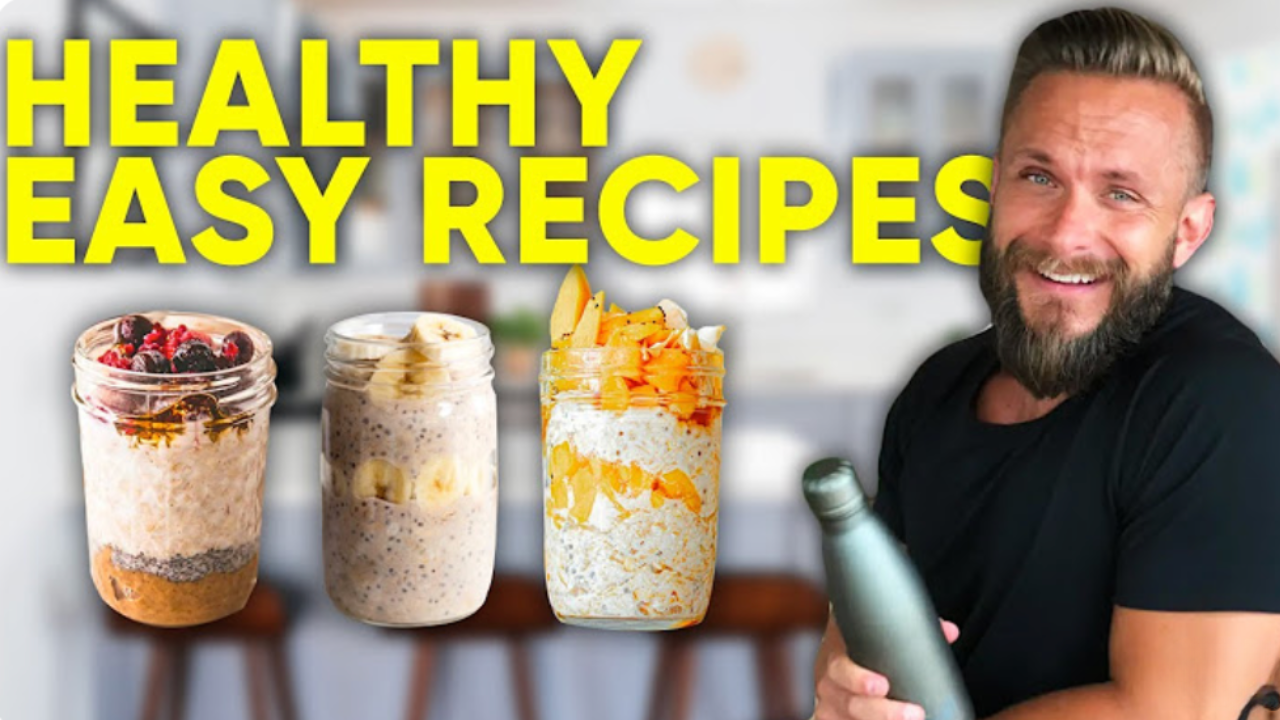
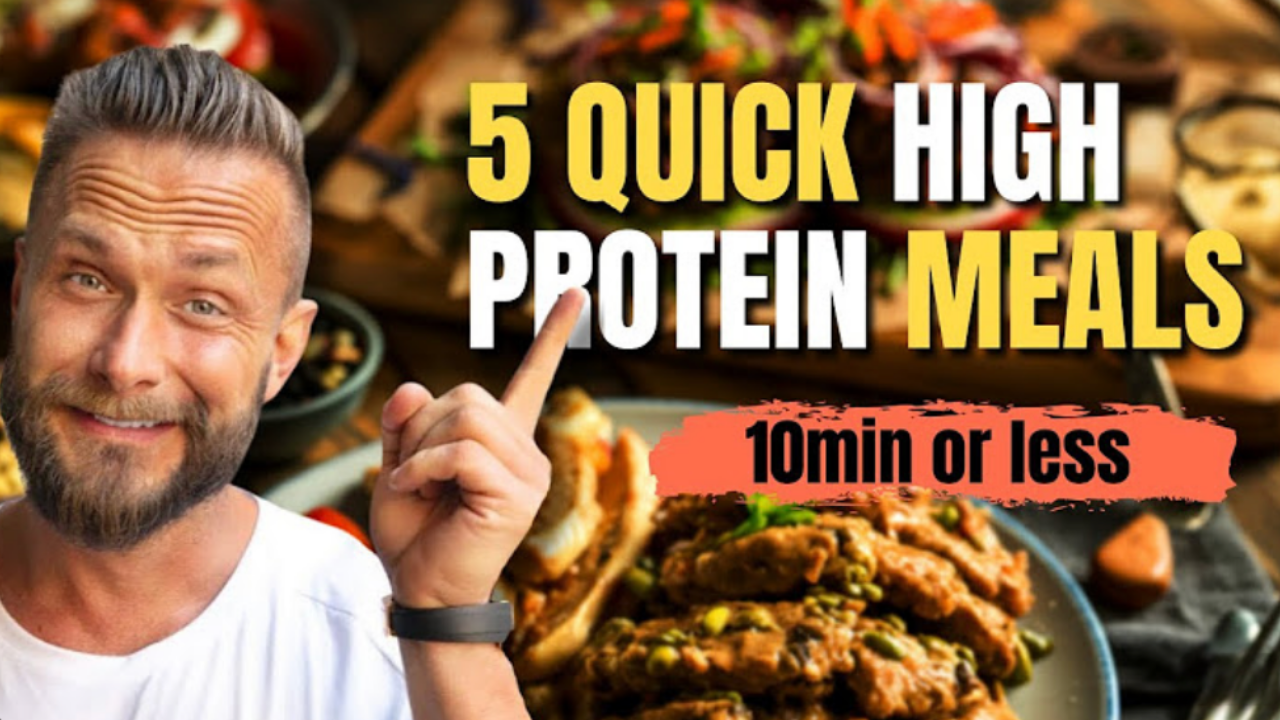
Breakfast: protein shake, banana, handful of almonds
Lunch: pre-cooked chicken, bagged salad, olive oil + vinegar
Dinner: microwave rice, canned tuna, frozen veggies
Keep shelf-stable protein around: canned fish, protein powder, frozen chicken. Protein stays non-negotiable.
Craving hacks:
Sweet cravings: Greek yogurt + berries, or a protein bar
Salty cravings: butter-free popcorn, jerky, roasted chickpeas
Lesson 8: Listen to Your Body (So You Don’t Burn Out)
This isn’t “go easy.” It’s “go smart.”
Sore muscles = normal
Sharp pain / joint discomfort = red flag
Extreme fatigue, sleep problems, or a decrease in strength over weeks = recovery is failing
Muscles don’t grow during workouts. They grow afterward, during recovery.
Even cravings can be signals:
Salt cravings might mean you need electrolytes
Sweet cravings might mean low energy or poorly timed carbs
Constant hunger? Add more protein and fiber
Lesson 9: Life Beyond the Challenge
This isn’t just about looking better. It’s about feeling better and building a life where health makes sense.
After the challenge:
Training doesn’t have to be strict or one-dimensional
Do something you like, something your body needs, and something you want to master (maybe tennis, jiu-jitsu, Pilates, strength training, mix it up)
Nutrition can loosen from 19/20 meals on point back to 17/20, using the same simple structure that keeps you grounded.
Confidence isn’t vanity. It’s knowing you can handle what life throws at you because you proved you can show up.
Ready to Lose Weight the Smart Way?
If you want structure, training programs, nutrition guidance, and community challenges throughout the year, grab the app and join the Magnus family.
More from the blog