How to Build a Nutrition Plan That Actually Works
Is it all about macros? Should you count calories? Do you need keto, intermittent fasting, or something else?
These are some of the most common nutrition questions out there. The good news is this. You do not need a “perfect” diet to get results. What you need is a nutrition plan that works for you and that you can stick to.
In this guide, I will break down exactly how to make a nutrition plan using simple rules that work across almost any diet style. No extremes. No confusion. Just fundamentals that get results.
TL;DR
Every diet is just a strategy
Fat loss requires a calorie deficit
Counting calories is not required, but it helps
Protein is the top priority for muscle and health
Fat and carbs are fuel, not enemies
Calories and macros both matter
Pick the diet you can stick to long term
Build meals around protein and vegetables
First Things First: Diets Are Just Tools
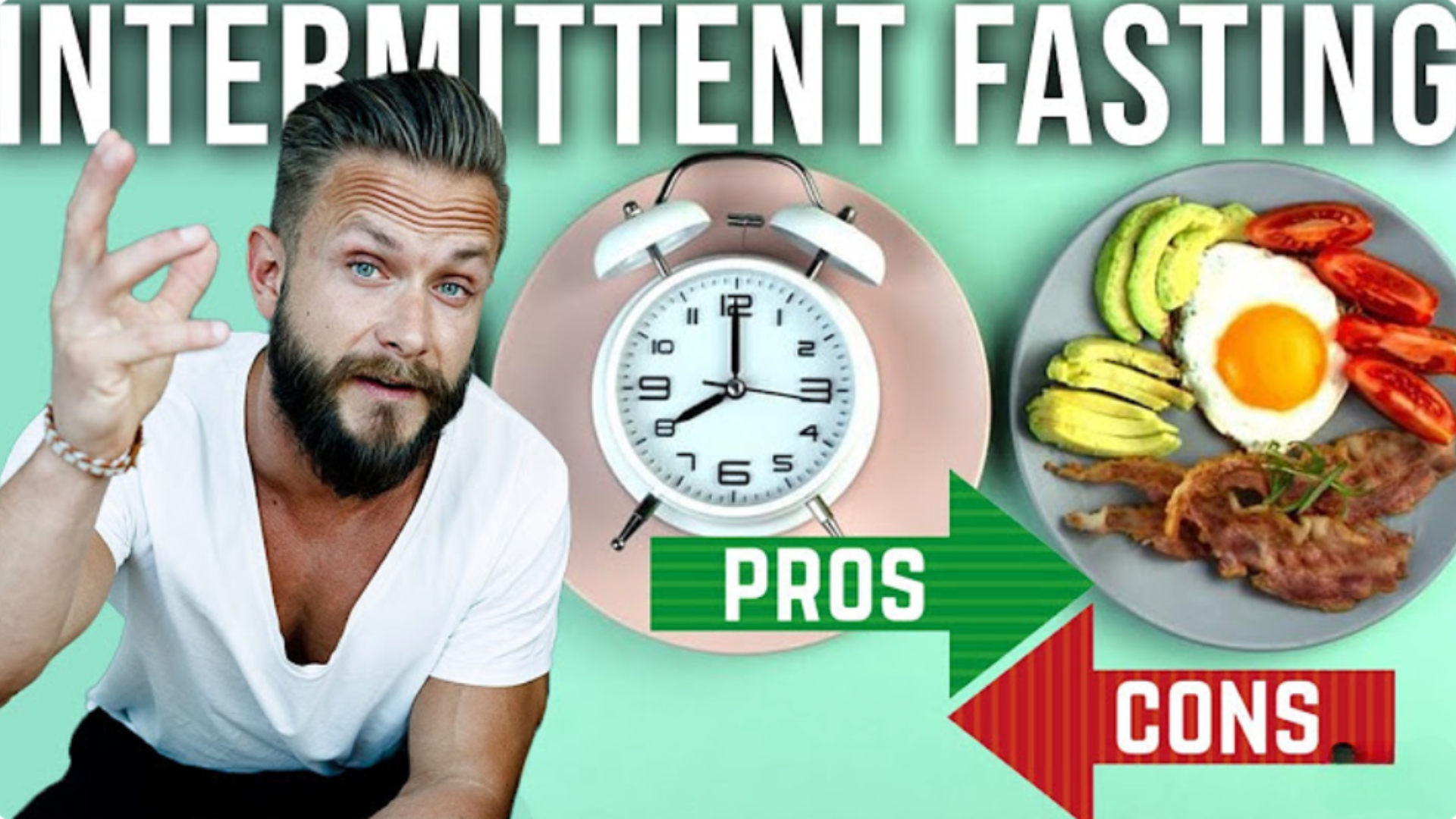
Keto, intermittent fasting, low fat, vegan. These are not magic solutions. They are strategies.
There are many diets that can help you lose fat and build muscle. That is why I never tell people they must follow one specific diet. Success comes from dialing in calories and macros, not from the diet label itself.
Some diets are not great long-term, but that is a different conversation. What matters here is learning how to take any diet and turn it into a working nutrition plan.
Do You Need to Count Calories to Lose Weight?
Technically, no.
Practically, yes, it helps a lot.
To lose weight, you must be in a calorie deficit. That means eating fewer calories than you burn in a day. This rule applies whether you track calories or not.
Counting calories simply makes the process more accurate and less like guessing.
A Simple Calorie Formula
Here is the formula I use with clients.
To maintain weight:
Bodyweight in pounds × 15
To lose weight:
Bodyweight in pounds × 12
Example:
If you weigh 200 pounds
Maintenance calories ≈ 3,000 per day
Fat loss calories ≈ 2,400 per day
This is not perfect science, but it is a strong starting point. Once you start, weigh yourself every four weeks and adjust if needed.
How to Track Calories Without Losing Your Mind
The easiest way to stay consistent is to follow recipes that already include nutrition info and serving sizes. The math is done for you.
If you cook without recipes, a cheap kitchen scale can be a game-changer. Weigh ingredients before cooking. It makes tracking much easier.
You also do not need to calculate everything by hand. Use an app. Options like MyFitnessPal or similar calorie-tracking apps all work. They have large food databases and make tracking faster.
After a while, you will naturally get better at estimating portions and calories.
Calories Matter, But Macros Matter Too
Calories decide weight loss or gain.
Macros decide body composition and health.
Macros stand for macronutrients. There are three:
Protein
Fat
Carbs
Protein Comes First
Protein is the building block of muscle and tissue. If you want to build or keep muscle, protein intake matters a lot.
I keep protein high in every phase. Cutting, maintaining, or building.
My rule:
About 1 gram of protein per pound of bodyweight per day
So at 200 pounds, that is about 200 grams of protein per day. Yes, this applies to women too.
Eating enough protein helps you:
Build or keep muscle
Stay fuller
Support hair, skin, and nails
Burn more fat during a diet
If you cut calories by cutting protein, you risk losing muscle and slowing progress.
What About Fat and Carbs?
Fat and carbs are fuel. They are not the enemy.
Many diets try to demonize one or the other. That is a mistake. Your body needs both. When dieting, you usually reduce one or both to create a calorie deficit.
The key rule:
Keep protein stable
Adjust fat and carbs to hit calorie goals
This is how you stay healthy while losing fat.
Building Meals the Smart Way
Once you have a protein target and a calorie target, everything gets easier.
I recommend building meals like this:
Start with a protein source
Add vegetables
Add carbs or fat based on your needs
Protein sources can include meat, fish, eggs, tofu, or beans. Vegetables are low-calorie but high in fiber and nutrients. They help fill you up without blowing calories.
Do not skip vegetables. They support digestion, health, and long-term consistency.
A Full Nutrition Plan Example
Let’s use the 200-pound example again.
Fat loss calories:
2,400 per day
Protein target:
200 grams = 800 calories
(Protein has 4 calories per gram)
That leaves:
1,600 calories for fat and carbs
Now you have options.
Option 1: Higher Carb
200 g protein = 800 calories
300 g carbs = 1,200 calories
45 g fat = 405 calories
Option 2: Lower Carb
200 g protein = 800 calories
40 g carbs = 160 calories
160 g fat = 1,440 calories
Both options work because calories and protein are controlled. The difference is preference and sustainability.
This is why keto, low-fat, or mixed diets can all work. The math is what matters.
So Which Diet Should You Choose?
Choose the one you can stick to.
That is it.
For me, I organize food in cycles of 20 meals.
17 meals are on point
3 meals are flexible
I do not believe in being strict forever. I aim to be focused while dieting, reach the goal, then return to balance.
Extreme diets are hard to sustain. Balance wins long-term.
Three Simple Steps to Your Own Nutrition Plan
If you remember nothing else, remember this:
Take your bodyweight and multiply by 12 or 15
Eat enough protein every day
Use fat and carbs to fill the remaining calories
Once those are set, you can plug in any diet style you like and make it work.
Want Help Building Your Nutrition Plan Step by Step?
If you want structure, grocery lists, programs, and support, the Magnus Method App has everything in one place. Training, nutrition, and a community that keeps you accountable.
Download the Magnus Method App now and build a nutrition plan that fits your life, not one you quit in two weeks.
More from the blog