The Best Plan for Summer Body Transformation in 6 Weeks
Everybody wants to get in shape, no matter their age or gender. Deciding to change is the easy part. The hard part is knowing what to do, and then following through for long enough to see results.
That is what this is about.
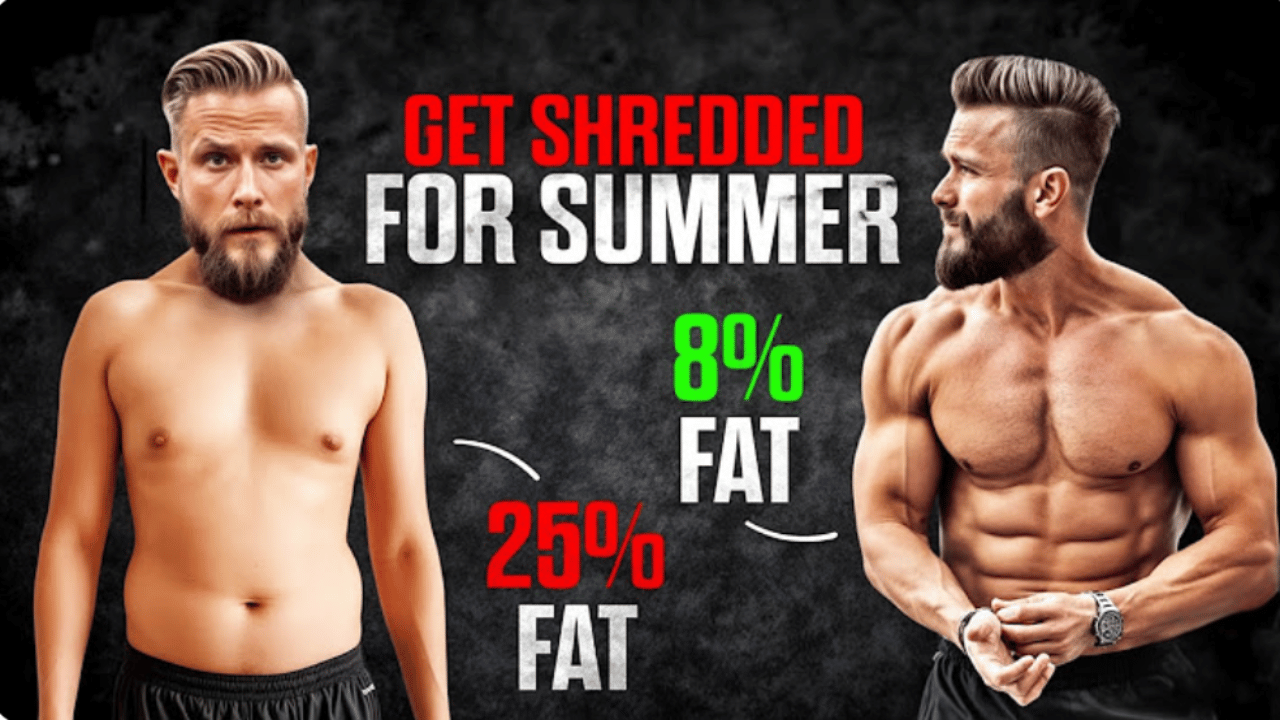
This is a beginner-friendly guide to a body transformation using a 6-week timeframe. Think of it like a “first segment” of a longer journey. The goal is not perfection. The goal is to take action, build momentum, and create habits you can keep.
And yes, we are going to frame it like a summer body transformation challenge, but the rules work any time of the year.
TL;DR
Set realistic goals you can measure in 6 weeks
Build a training plan that fits your real schedule
Use both compound and isolation exercises
Do cardio and take rest days seriously
Nutrition matters as much as training
Fat loss requires a calorie deficit
Macros matter for health and muscle
Sleep and mindset are the difference makers
Consistency beats motivation every time
Step 1: Set a Goal That Makes Sense in 6 Weeks
A lot of people say, “I want my ideal body.” That is not a goal. That is a wish.
A good goal is something you can actually measure and work toward with a plan.
For fat loss, a common guideline is about 1 to 2 pounds per week. Over 6 weeks, a realistic goal could be around 9 to 10 pounds. That is a solid target for many people.
But goals are not just about the number on the scale.
How to Measure Progress
You can use:
A scale
A measuring tape
A mirror
Just remember this: if you lose fat and build muscle at the same time, your weight might not drop much. It might even go up. Muscle weighs more than fat. So do not panic if the scale is weird. Use multiple tools.
Step 2: Pick a Training Schedule You Will Actually Do
Your plan has to fit your life.
Figure out how much time you can truly dedicate to training. Any amount is acceptable if your goal matches it.
If you can only train on weekends, that can still work. But your workouts will need to be longer and harder, and your goal needs to match that reality.
The two big priorities are:
Pick something you will stick to
Pick something that can reach your goal
Getting started is hard. Building a sustainable habit is also hard. So make the plan realistic.
Step 3: Use the Right Mix of Exercises
This is where a lot of people mess up.
Exercises fall into two buckets:
Compound exercises: work multiple muscle groups at once (example: squat)
Isolation exercises: focus on one muscle group (example: bicep curl)
Even if your main goal is “nice biceps,” you still need compound movements. If you only train small muscles, you risk muscle imbalances and injury.
A strong plan uses both.
A simple way to structure your workouts:
Start with big compound lifts
Finish with more isolated work
This helps you build a strong, balanced body.
Step 4: Do Not Forget Cardio
Cardio matters. You want to work your heart as much as you work your muscles.
Cardio also supports your overall fitness and can help you keep pushing through a 6-week plan.
Step 5: Rest Days Are Part of the Plan
This is a big one.
Your body needs recovery to grow stronger. Training tears muscle tissue. Rest is when your body rebuilds it.
A smart weekly range:
Not less than 3 days per week
Not more than 6 days per week
A common sweet spot is around 5 days per week
Also, if you smash a muscle group hard, give it about 48 hours before you hit it hard again.
Skipping rest days can hurt progress. It can also hurt your body. Rest is not lazy. Rest is training, just in a different way.
Step 6: Nutrition Starts at the Dining Table
Here is the truth.
You cannot out-train a poor diet.
Exercise helps, but nutrition is the driver. One hour in the gym might burn 500 to 600 calories. One high-calorie drink can match that fast. It is very easy to eat back your workout.
Also, even if you do not care about fat loss, nutrition still matters. If you want muscle, you need fuel and nutrients. If you do not feed the work, your training can go to waste.
If you take only one thing from this guide:
Make both a training plan and a nutrition plan.
Step 7: Calorie Control Is Non-Negotiable for Fat Loss
If you want to lose weight, you need a calorie deficit. That means eating fewer calories than you burn.
If you have never tracked before, a kitchen scale can make it easier.
Another helpful move during a 6-week push: pick recipes with nutrition cards in advance. That cuts the work down a lot.
It also helps to know this:
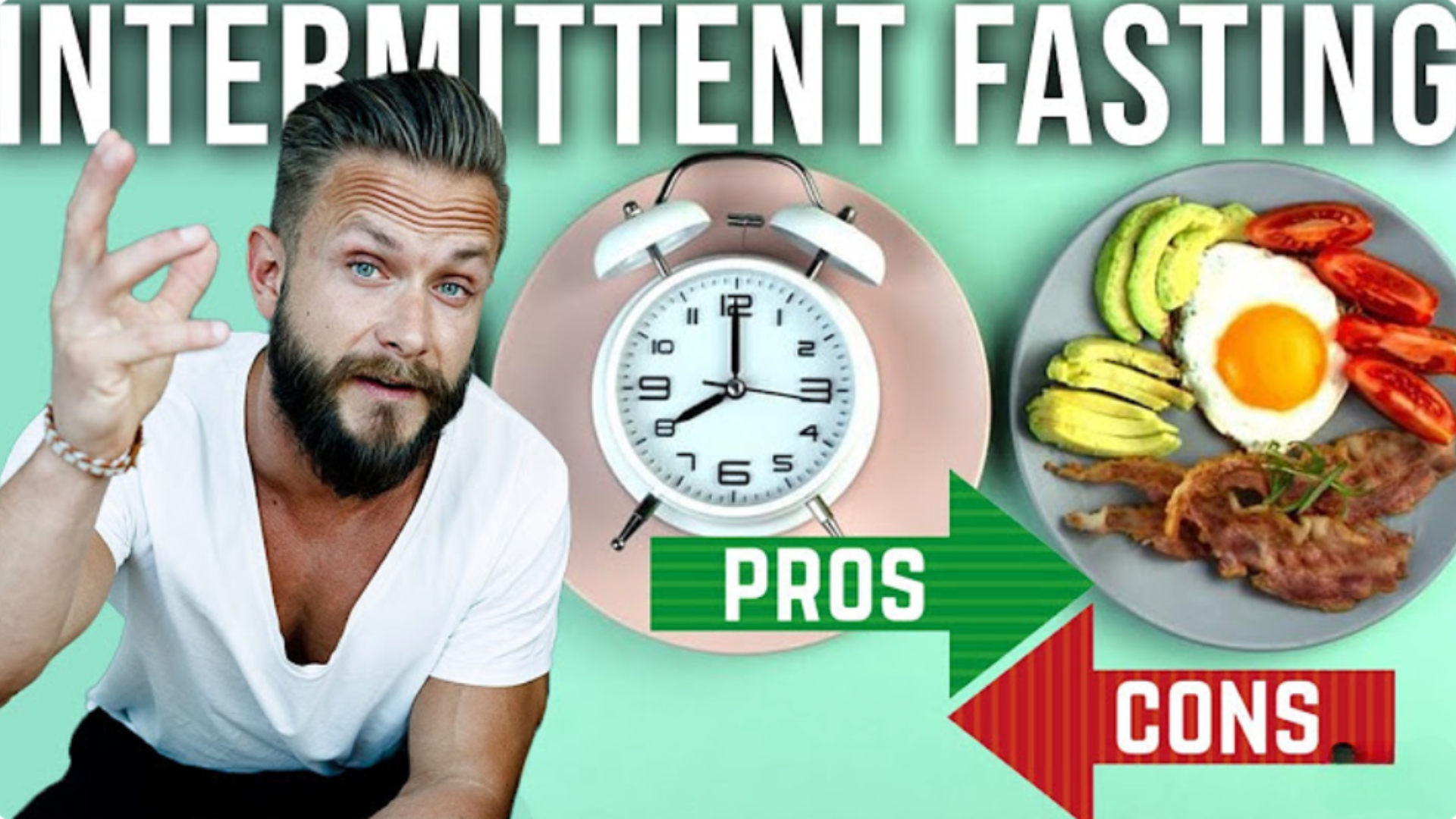
You can lose weight on any diet style, as long as you are in a deficit. Intermittent fasting, keto, vegan, whatever. Deficit is the key.
But calories are not the whole story.
Step 8: Macros Matter for Health and Results
Macros are:
Protein
Fat
Carbs
Protein sources include meat, fish, beans, and tofu. Carbs are often bread, pasta, potatoes, and other starchy foods. Fats include avocado, butter, oils, and similar foods.
Here is the simple breakdown:
Protein = building blocks for muscle and tissue
Fat + carbs = fuel
During a cut or diet, keep protein high. This helps you keep or build muscle and supports hair, nails, skin, and more. Research also shows high protein diets can support metabolism and fat loss.
Then adjust carbs and fats based on goals. On a cut, keep protein high and bring down carbs and fats a bit.
The Key Relationship: Calories and Macros
You can dial in macros and still overeat calories. Then you will not lose weight.
You can dial in calories, but eat low-quality food and feel terrible. You might lose weight, but you may not feel good or maintain muscle.
Example from the transcript:
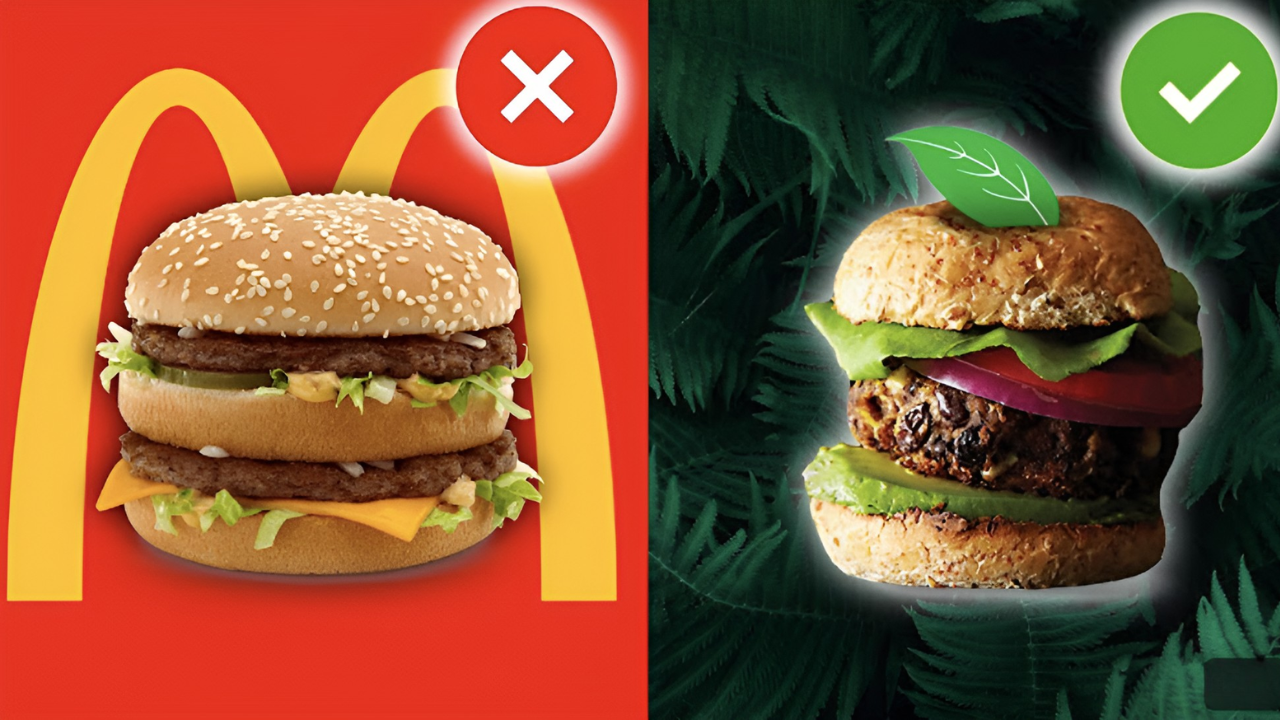
Two people eat 1,500 calories. One eats ice cream. One eats fish, veggies, rice, and potatoes. Both might lose weight, but the person eating whole foods is more likely to stay healthy and keep muscle.
So start with protein, then build your meals from there.
Step 9: Follow-Through Is the Real Challenge
Making plans is easy. Following them for all 42 days is the hard part.
Sleep Matters More Than You Think
Rest days are not enough. You need good sleep.
Poor sleep can cause brain fog, bad decisions, and stronger cravings. Your body also needs sleep to repair and build muscle.
During your 6-week push, practice better sleep hygiene if sleep is a struggle.
Tell Your Friends, But Do Not Depend on Them
Sharing your goal can help you stick to it. It also helps people support you and avoid tempting you.
But do not depend on others to stay on track. This is your journey. If your friend quits or eats pizza every night, you still show up.
Motivation Is Overrated
If you only train when you feel motivated, you will fail.
The goal is to show up anyway.
There is a quote shared in the transcript from The Rock:
Success is about consistency. Consistent hard work leads to success.
That is true for training and dieting.
Balance Wins Long Term
If you go too extreme, you will not sustain it. Eat foods you like sometimes. Take a day off if your body needs it.
Balance is not weakness. Balance is how you stay in the game.
Want Help With Your Next Challenge?
If you want a structured plan for training and nutrition, plus challenges you can join, download the Magnus Method App.
More from the blog